Ensuring a reliable power supply is crucial for homes and businesses. A Transfer Switch plays a vital role in this process. It allows for a seamless transition between grid power and backup generators. During unexpected outages, a Transfer Switch ensures that critical systems remain operational.
Choosing the right Transfer Switch can be challenging. There are various options available, each designed for specific needs. Factors include power capacity, installation requirements, and safety features. Many homeowners overlook these details, leading to potential issues during outages.
Investing time in research pays off. Quality Transfer Switches can enhance safety and efficiency. They must meet local regulations and industry standards. Relying solely on brand names may not guarantee the best choice. Consider consulting with professionals for guidance tailored to your unique situation.
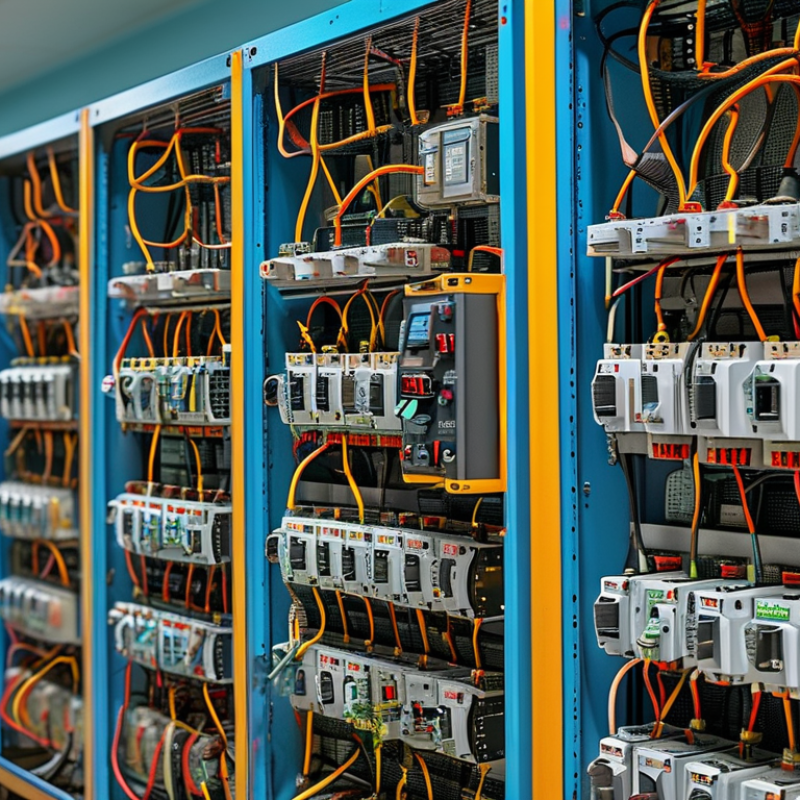
Transfer switches serve a crucial role in managing power supply during outages. They allow users to switch from the utility power to a generator seamlessly. Understanding how these switches function can significantly enhance their reliability.
A transfer switch isolates the electrical load to ensure safety when using a generator. It prevents backfeeding into the grid, which can endanger utility workers. In many cases, these switches are manually operated, but automatic types exist as well. Users may find that regular maintenance is often overlooked. Failing to check connections can lead to ineffective operation during critical moments.
Installation of a transfer switch should be done by professionals. Mistakes can lead to dangerous situations. While many choose to save costs with DIY installations, this can be risky. An inadequately installed switch might not perform when needed most. Investing in professional help ensures that the system operates efficiently and safely in emergencies.
When considering transfer switches, it's vital to understand the differences between manual and automatic options. Manual transfer switches require user intervention during power outages. Users must switch the power source themselves, which can lead to delays in restoring power. This might not be ideal for everyone, especially in emergencies. Well-trained individuals can handle these switches with confidence, but it can be daunting for some.
Automatic transfer switches, on the other hand, offer a seamless transition from the main power supply to a backup source. They detect outages and switch to generators automatically. This feature is invaluable for critical applications, such as hospitals or data centers. However, installation can be complex, requiring professional assessment and setup. Not everyone requires such advanced systems, and costs may vary significantly based on features.
Choosing between manual and automatic transfer switches depends on various factors. Assessing your power needs, budget, and comfort with technology is crucial. Sometimes, the best choice might be a manual switch, especially for smaller homes. Yet, if reliability is paramount, an automatic option could be the better investment. It's essential to explore each option thoroughly before making a decision.
This chart compares the reliability scores of manual and automatic transfer switches. The data indicates that automatic transfer switches are generally considered more reliable than their manual counterparts, making them a popular choice for ensuring a seamless power supply during outages.
When selecting a transfer switch, consider key features that ensure a reliable power supply. The switch's rating should match your generator's output. A properly rated transfer switch will prevent overloads and ensure safety. Look at the switch configuration as well. Some switches are manual, while others are automatic. Manual switches may require more attention but are often more affordable.
It's essential to evaluate installation requirements. Some switches may need professional installation due to local codes. Assessing your home or business's electrical layout is crucial. A well-placed transfer switch can significantly enhance convenience during an outage.
Tips for choosing the right switch include checking for ease of use. Look for user-friendly designs that allow quick operation. Examine if the switch has features like indicator lights or audible alarms. These can provide valuable feedback. Consider maintenance aspects as well. Regular checks can prevent unexpected failures. Aim for a balance of affordability, features, and reliability when making your choice. Choose wisely, as an effective transfer switch can protect your investments during power interruptions.
When considering reliable transfer switch solutions, it’s essential to examine top brands and models. The transfer switch market is projected to grow by 6.5% annually, reaching USD 2.2 billion by 2027, according to industry reports. This growth reflects the increasing need for uninterrupted power supply in residential and commercial applications.
High-quality transfer switches vary in features. Some offer automatic mechanisms, which allow immediate switching during outages. Others focus on manual operation, giving users more control. However, not all models perform equally under different load conditions. In an analysis of performance, some switches fail to operate reliably under peak loads. Data indicates that approximately 15% of switches tested did not meet expectations during fault scenarios.
Durability is also a crucial factor. Many transfer switches are subject to environmental stress. For instance, moisture and temperature changes can impact functionality. A report highlighted that around 20% of users experienced issues within the first year of installation. This emphasizes the importance of choosing models with robust build quality and proven reliability.
| Model | Amperage | Type | Transfer Time | Price Range |
|---|---|---|---|---|
| Automatic Transfer Switch A | 200A | Automatic | 10-20 seconds | $800 - $1200 |
| Manual Transfer Switch B | 100A | Manual | N/A | $300 - $600 |
| Smart Transfer Switch C | 150A | Automatic | 15 seconds | $1000 - $1600 |
| Basic Transfer Switch D | 50A | Manual | N/A | $150 - $300 |
| Dual Transfer Switch E | 400A | Automatic | 8-15 seconds | $1500 - $2000 |
When considering transfer switch installation, understanding proper procedures is crucial. A well-installed transfer switch ensures a seamless switch between grid power and generator power. According to the National Fire Protection Association (NFPA), improper installation can cause electrical hazards. This highlights the need for professional help to avoid risks.
Here are a few installation tips: Ensure the transfer switch meets your power requirements. For instance, calculate the wattage of your home. Ensure it can handle surges during peak usage. It's essential to maintain clear access to the switch. In case of emergencies, you don’t want to search for it.
Maintenance is as vital as installation. Regular inspections can prevent system failures. Check for signs of wear on cables and connections. Replace any corroded components. A study by the Institute of Electrical and Electronics Engineers (IEEE) suggests that routine maintenance can increase product lifespan by up to 30%. Proper care avoids unexpected outages, preserving reliability.
: A transfer switch allows users to switch from utility power to a generator during outages.
Regular maintenance is important. Checking connections and components can prevent failures when needed most.
While some consider DIY, installation by professionals is safer. Mistakes can lead to dangerous situations.
Manual switches require user action during outages, while automatic switches detect outages and switch sources seamlessly.
If power needs are low and comfort with technology is limited, a manual switch may be ideal for smaller homes.
Ensure the switch meets power requirements and is easily accessible. Clear access is crucial during emergencies.
Routine inspections can increase lifespan by preventing wear and unexpected outages, ensuring reliability when it matters.
Check cables and connections for wear and corrosion. Replace any damaged parts to maintain optimal function.
Professionals ensure correct installation, reducing electrical hazards. This may ultimately save money and enhance safety.
Yes, costs vary based on features. Automatic switches tend to be more expensive but offer more reliability in critical situations.
A transfer switch is a crucial component for ensuring a reliable power supply during outages or interruptions. It functions by safely switching the electrical load between the utility power and a backup generator, providing peace of mind and continuity of power. Understanding the different types of transfer switches—manual and automatic—can help users choose the best option for their needs.
When selecting a transfer switch, key features such as load capacity, switching speed, and safety certifications should be carefully considered. Additionally, knowing the top brands and models can assist consumers in making informed decisions. Proper installation and regular maintenance are also essential to ensure the longevity and functionality of the transfer switch, providing a dependable solution for power management in homes and businesses alike.

Mingri Electric