In the world of electrical systems, choosing the right equipment plays a critical role in ensuring safety and efficiency. Vacuum Circuit Breakers (VCBs) are gaining prominence due to their reliability and compact design. As industry expert Dr. James Bennett states, "The longevity and safety of electrical systems largely depend on the choice of the circuit breaker." His insights underscore the importance of understanding VCBs.
These devices operate by isolating electrical circuits during faults. Their vacuum technology significantly reduces the risk of electrical arcs, a common problem in older breakers. VCBs are particularly suitable for industrial applications where space and safety are vital. Moreover, they require minimal maintenance, which adds to long-term reliability.
However, while VCBs offer numerous advantages, it's essential to evaluate their limitations too. Not every application may require a vacuum circuit breaker, and some systems might benefit from other technologies. Reflecting on these factors can lead to smarter choices in electrical system design.
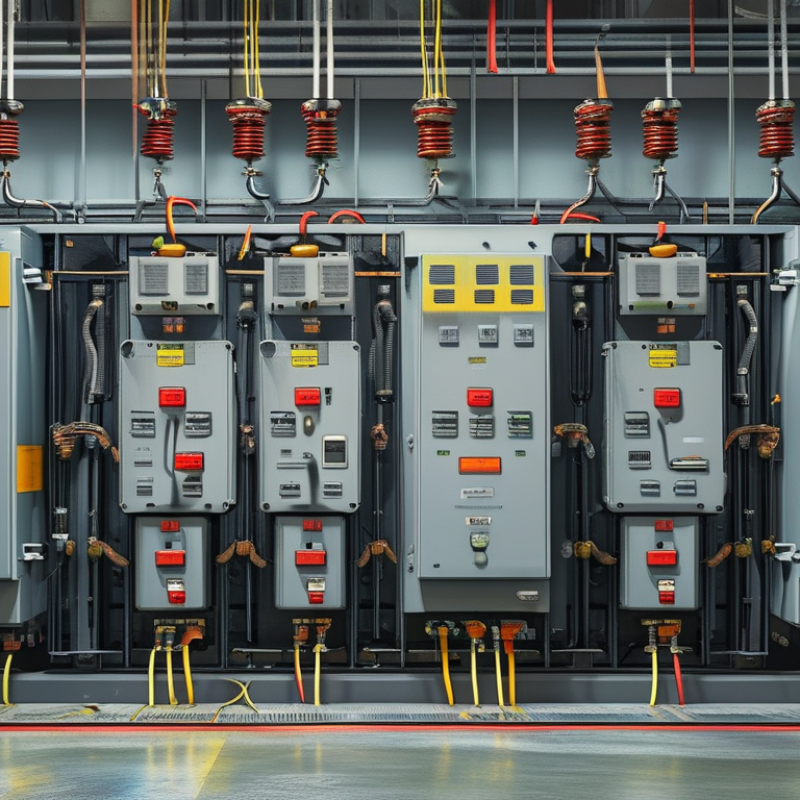
Advantages of Vacuum Circuit Breakers in Electrical Systems
Vacuum Circuit Breakers (VCBs) offer significant advantages for electrical systems. One of the most notable benefits is their capability to interrupt high fault currents. In a vacuum environment, the arc that forms during a short circuit quickly extinguishes, ensuring rapid shutdown. This feature enhances safety and prevents damage to other equipment.
Another advantage is their compact design. VCBs require less space compared to traditional circuit breakers. This can be particularly beneficial in installations where space is limited. Their lightweight nature also simplifies installation and maintenance tasks. Furthermore, vacuum circuit breakers have a longer lifespan with lower operational costs.
However, VCBs are not without challenges. They may require specific installation conditions to operate optimally. Understanding these requirements is crucial for effective performance. Some operators may not be fully trained on their intricacies, leading to potential miscalculations. It's essential to balance these considerations when integrating VCBs into electrical systems.
How Vacuum Circuit Breakers Function and Their Design Principles
Vacuum circuit breakers (VCBs) are vital components in modern electrical systems. They utilize a distinct design where the breaking occurs in a vacuum, minimizing the arc's effects. This technology leads to increased safety and reliability. According to industry studies, VCBs can withstand over 80% of electrical faults without requiring extensive maintenance, showcasing a notable advantage over traditional breakers.
The design principles of VCBs hinge on insulating the contact within a vacuum chamber. The absence of air diminishes the chances of carbon deposits, which can lead to failures over time. Data from various engineering firms indicate that VCBs demonstrate an operational lifespan of over 30 years under optimal conditions. However, this longevity relies heavily on regular inspections.
Despite the advantages, potential weaknesses exist. Environmental factors may impact the efficiency of VCBs. Additionally, the initial installation costs can be higher than those associated with air-insulated circuit breakers. Some users may find the complexity of VCB systems challenging, particularly when integrating them into existing infrastructures. This aspect warrants careful consideration and planning to ensure seamless operation. Understanding these dynamics is crucial for proper implementation.
Why Choose a Vacuum Ckt Breaker for Your Electrical Systems?
| Feature |
Description |
Benefits |
| Arc Quenching Medium |
Uses vacuum as the medium for arc extinction. |
High efficiency in extinguishing arcs, leading to less equipment damage. |
| Compact Design |
Smaller footprint compared to other circuit breakers. |
Saves space in electrical installations. |
| Maintenance-Free |
Requires minimal maintenance due to sealed contacts. |
Reduces overall operational costs. |
| Operation Speed |
Fast operation time for overcurrent and short-circuit protection. |
Enhances system reliability and safety. |
| Environmentally Friendly |
No oil or gas is used in operation. |
Lower environmental impact and safer operation. |
Comparison of Vacuum Circuit Breakers with Other Types of Breakers
Vacuum circuit breakers (VCBs) stand out for their efficiency and reliability in electrical systems. When compared to other types, such as air-insulated or oil circuit breakers, VCBs offer distinct advantages. They utilize a vacuum to interrupt the current, which significantly reduces the risk of arc formation. This leads to a highly effective operation, especially in environments where space and maintenance are concerns.
To delve deeper, VCBs require less maintenance than their counterparts. Air-insulated breakers can be bulky, often needing more space for installation. In contrast, VCBs are typically compact, suitable for limited real estate. However, their production can be intricate, posing potential challenges in manufacturing and initial setup.
While VCBs are incredibly effective, there are instances where they may fall short, particularly under extreme environmental conditions. For example, they can struggle in areas with heavy dust or moisture. It’s essential to evaluate your specific needs before selection, ensuring the chosen system aligns with the operational environment. Understanding the strengths and weaknesses of each breaker type will guide better decision-making.
Applications of Vacuum Circuit Breakers in Various Industries
Vacuum circuit breakers (VCBs) have gained traction across various industries due to their effectiveness and reliability. The power generation sector extensively uses VCBs for high voltage applications, ensuring the safe operation of electrical equipment. A report by the International Energy Agency indicates that the global demand for electricity is expected to increase by 30% by 2040, highlighting the need for efficient systems. In power plants, VCBs can enhance reliability and reduce maintenance costs, providing an edge in competitive environments.
In the manufacturing realm, VCBs play a crucial role in protecting machinery from overloads and short circuits. According to the World Economic Forum, manufacturers that utilize advanced technologies, such as VCBs, can improve operational efficiency by 25%. The aerospace and automotive industries also leverage vacuum circuit breakers. They ensure safety in electric propulsion systems and complex automation processes. However, one challenge is the potential complexity of installation and maintenance, which requires skilled personnel.
The utility sector relies on VCBs for grid stability and protection. Their compact design allows for space-saving installations. However, there can be a learning curve when adopting new technologies, leading to initial inefficiencies. As industries evolve, it is essential to weigh the benefits against integration challenges, ensuring that the adoption aligns with long-term goals. These considerations are vital for maximizing the advantages of vacuum circuit breakers.
Maintenance and Safety Considerations for Vacuum Circuit Breakers
Vacuum circuit breakers (VCBs) are known for their reliability and efficiency in protecting electrical systems. However, proper maintenance and safety practices are crucial for ensuring their optimal performance. Regular inspections should focus on the operating mechanisms and contacts. Dust and moisture can accumulate, potentially leading to malfunctions. Checking for these contaminants is essential. A clean environment is vital for the longevity of the circuit breaker.
Safety protocols must always be followed during maintenance. Workers should use appropriate personal protective equipment. Understanding the functionality of VCBs is key. Knowledge gaps can lead to accidents. Simple mistakes can result in costly repairs or safety hazards. Moreover, personnel should be well-trained to manage these devices. Mistakes in handling can compromise safety.
Documenting maintenance activities and findings can enhance reliability. This practice creates a clear history of service, making it easier to identify recurring issues. Such records also support future troubleshooting. It’s important to reflect on past maintenance decisions. Were all necessary checks completed? What could have been done better? Continuous improvement is vital for effective VCB management.
FAQS
: They can interrupt high fault currents quickly, enhancing safety.
VCBs are compact and require less space than traditional circuit breakers.
Their longer lifespan and simpler maintenance requirements help reduce costs.
Accumulated dust and moisture can lead to malfunctions if not addressed.
Lack of knowledge may cause accidents or costly repairs.
Documenting inspections creates a service history that helps identify issues.
Workers should always wear personal protective equipment to ensure safety.
Consider if all necessary checks were performed and how to improve.
No, they require certain conditions for optimal performance.
Mismanagement can lead to safety hazards and compromised system integrity.
Conclusion
Vacuum Circuit Breakers (VCBs) are increasingly favored in electrical systems due to their numerous advantages, including compact size, high reliability, and superior interruption capabilities. They operate effectively by using a vacuum to extinguish the arc that forms when the circuit is broken, a design principle that ensures minimal maintenance and longer service life compared to other types of breakers.
In addition to their efficient function, VCBs are versatile and find applications across various industries, from power generation to manufacturing. When considering safety and maintenance, VCBs further stand out due to their lower maintenance requirements and inherent safety features. Overall, choosing a Vacuum Ckt Breaker enhances both performance and safety in electrical systems, making it a wise investment for modern infrastructure.

 Mingri Electric