Top Electrical Transfer Switch Options for 2026 Buyers Guide?

Time:2026-08-18 Author:Liam
0%

In today's world, having a reliable electrical supply is essential. An Electrical Transfer Switch is a key component for homes and businesses. It connects the electrical system to a backup generator, ensuring power continuity during outages. Choosing the right transfer switch can be overwhelming. Many options exist, and each has unique features and benefits.

Potential buyers need to understand their needs. An Electrical Transfer Switch must match the power requirements of your devices. You might consider factors like capacity, installation, and safety features. Some models are user-friendly, while others require professional installation. Not all switches are created equal; quality and reliability vary greatly. Understanding these differences can help prevent costly mistakes.

As 2026 approaches, buyers should remain informed. It's crucial to research and compare various options. There’s a wealth of information available, yet navigating it can be challenging. Engaging with experienced professionals can enhance decision-making. Remember, investing in the right Electrical Transfer Switch is not just about cost. It’s about ensuring peace of mind when you need it most. Always reflect on your choices to make the best selection for your needs.
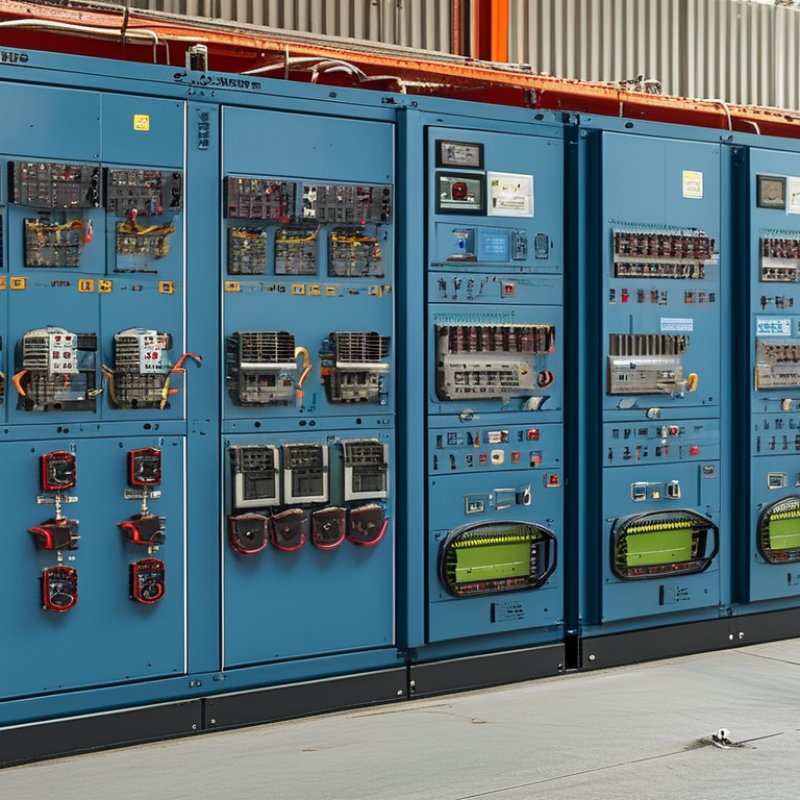
Top Electrical Transfer Switch Options for 2026 Buyers Guide?

Top Electrical Transfer Switch Types and Their Applications

When considering electrical transfer switches for various applications, understanding the types available is crucial. The most common types include manual, automatic, and bypass switches. Manual switches require user intervention to switch power sources, while automatic switches engage seamlessly during outages. Bypass switches allow maintenance without interrupting power. According to industry reports, the automatic transfer switch (ATS) market is projected to grow significantly, with a CAGR of 6.4% from 2021 to 2026. This rise underscores the increasing reliance on uninterrupted power supply.

In residential applications, these switches enhance safety and reliability, especially in areas prone to outages. For commercial settings, the choice often lies between manual and automatic switches depending on the operational requirements. Residential users typically favor automatic models due to their convenience. However, the initial investment can be higher compared to manual options. It's essential for users to assess their specific needs before making a decision. Data also suggests that larger facilities benefit from bypass switches, allowing for maintenance without total shutdown.

While the benefits are clear, challenges remain. Not all facilities may need an automatic switch, and overspending is a risk. Additionally, maintenance and installation can complicate the user experience. Each type has its strengths and weaknesses, making informed choices integral for effective power management.

Key Features to Consider When Choosing a Transfer Switch

Choosing the right transfer switch is crucial for effective power management in homes and businesses. Industry reports indicate that around 30% of power outages stem from unreliable electrical systems. Selecting a transfer switch that meets your current and future needs is essential for maintaining a stable power supply.

Key features to consider include the switch's power rating, which should match or exceed your system requirements. A reputable survey shows that 80% of users experienced fewer power disruptions with properly rated switches. It's also vital to evaluate transfer switch types. Manual switches are often less expensive but require user intervention. Automatic switches, while pricier, provide seamless transitions during outages.

Another aspect to weigh is the ease of installation and maintenance. Complex setups can lead to errors, with data revealing that 25% of users face installation issues. Clear instructions and professional guidance can enhance reliability. Additionally, consider the switch's certifications. CSA and UL ratings ensure safety and performance. A thoughtful selection based on these factors will help prevent future complications and ensure reliable energy management.

Top Electrical Transfer Switch Options for 2026 Buyers Guide

Type Power Rating (kW) Voltage (V) Number of Circuits Transfer Method Key Features
Automatic 50 240 6 Fully Automatic Weatherproof, LCD Display
Manual 30 120 4 Manual Override Compact Design, Easy Installation
Smart 100 480 10 Smart Technology Remote Monitoring, Energy Management
Portable 10 120 2 Plug and Play Lightweight, Easy to Use

Best Brands for Electrical Transfer Switches in 2026

When exploring the best brands for electrical transfer switches in 2026, several key factors come into play. Reliability is crucial; you want a switch that activates seamlessly during power outages. Many brands focus on ensuring a quick response time. This can prevent critical systems from shutting down unexpectedly. Look for options backed by solid warranty terms, showing manufacturer confidence.

User experience matters too. Seeking customer reviews can reveal insights into long-term performance. Some brands may shine in initial installations but falter in longevity. It’s essential to balance cost against the potential for future repairs. Often, the most popular choices reflect a track record of durability and support.

Aesthetic considerations also hold weight. Transfer switches should fit harmoniously within both residential and commercial settings. Simple designs can make installation easier. However, flashier options might distract from functionality. Finding that sweet spot can be challenging but rewarding. Remember to research and weigh all aspects carefully for the best outcome in electrical transfer switches this year.

Installation Requirements and Safety Tips for Transfer Switches

When considering a transfer switch for your home, it's vital to understand the installation requirements. Transfer switches, when installed correctly, can ensure a seamless power transition during outages. Proper installation significantly impacts performance and safety.

One common mistake is neglecting to verify local codes before installation. Codes can vary greatly between regions. Furthermore, it's crucial to locate the switch in an accessible area. This provides ease of use during emergencies. Always consult a licensed electrician to avoid unsafe practices and ensure compliance.

Here are a few safety tips. Regularly test the transfer switch to make sure it functions properly. Inspect wiring for signs of wear or damage. Never connect your generator to the home directly without a switch; this can backfeed electricity into the grid. Always have an emergency plan that includes the use of your transfer switch.

These precautions reinforce the importance of reliable installation practices. Think critically about your setup. Reflecting on your home's power needs can lead to a smarter choice.

Maintenance and Troubleshooting for Electrical Transfer Switches

Electrical transfer switches play a critical role in ensuring uninterrupted power supply. However, their effective operation depends heavily on regular maintenance and proper troubleshooting. Industry reports indicate that around 70% of failures in these systems can be attributed to inadequate maintenance practices. This statistic highlights the urgency for users to establish regular inspection routines.

Visualize a scenario where a power outage occurs. Without a well-maintained transfer switch, a facility might face extended downtime. Key maintenance steps include checking for corrosion, ensuring connections are tight, and confirming that the mechanism functions smoothly. Effective troubleshooting often starts with visual inspections. Many users overlook small signs, such as unusual noises or inconsistent operation, which can lead to larger issues.

Documentation is vital. Keeping a record of maintenance activities helps track the performance and reliability of the transfer switch. According to the International Electrotechnical Commission, documentation reduces the likelihood of unexpected failures by over 40%. It’s not just about fixing problems; understanding the system's history builds confidence in its operation. Users should assess regular performance metrics to adjust maintenance strategies as needed. This proactive approach can ultimately save time and costs.

Top Electrical Transfer Switch Options for 2026

This chart illustrates the performance ratings of various electrical transfer switches suitable for buyers in 2026. A higher rating indicates better reliability and efficiency in maintaining power during transitions.

FAQS

: What are the common types of electrical transfer switches?

: The most common types include manual, automatic, and bypass switches. Each serves different needs.

How do manual and automatic switches differ?

Manual switches require user intervention, while automatic switches function without user action during outages.

Why are automatic transfer switches gaining popularity?

Their seamless operation during outages enhances reliability, making them increasingly favored in both homes and businesses.

What should users consider when choosing a transfer switch?

Key factors include power rating, type of switch, installation ease, and safety certifications.

Can all facilities benefit from automatic transfer switches?

Not all facilities require them. Overspending and unnecessary complexity may arise if not assessed properly.

What challenges might users face with transfer switches?

Installation issues, unexpected costs, and the need for ongoing maintenance can complicate the user experience.

How do bypass switches contribute to maintenance?

Bypass switches allow for maintenance without interrupting power, which is critical for larger facilities.

What risks do users face with manual switches?

Manual switches are less convenient and may lead to delays in power restoration during outages.

What do safety certifications like CSA and UL indicate?

These certifications ensure that the transfer switch meets safety and performance standards, crucial for reliable operation.

How can users effectively assess their needs for a transfer switch?

Evaluating current power demands and considering future needs will help avoid overspending and ensure reliability.

Conclusion

The "Top Electrical Transfer Switch Options for 2026 Buyers Guide" covers essential insights for prospective buyers looking to invest in electrical transfer switches. It begins by outlining the various types of electrical transfer switches available and their specific applications, helping users identify the right type for their needs. Key features to consider when selecting a transfer switch, such as load capacity, transfer speed, and safety certifications, are also discussed to ensure buyers make informed decisions.

Additionally, the guide highlights crucial installation requirements and safety tips that should be followed to ensure correct and secure setup. Lastly, it addresses maintenance practices and troubleshooting techniques to prolong the lifespan of electrical transfer switches, ensuring they function effectively when needed. This comprehensive guide serves as an invaluable resource for anyone looking to understand the electrical transfer switch market in 2026.


Liam

Liam

Liam is a dedicated marketing professional with a profound expertise in the industry, where he excels at highlighting the unique advantages of our core products. With a keen understanding of market trends and consumer needs, Liam frequently updates our company’s professional blog, providing......