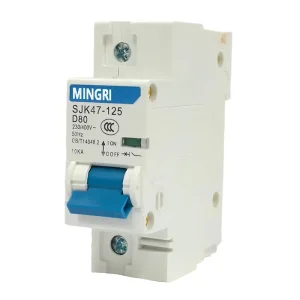
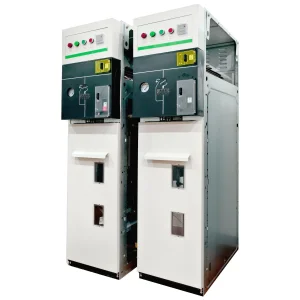
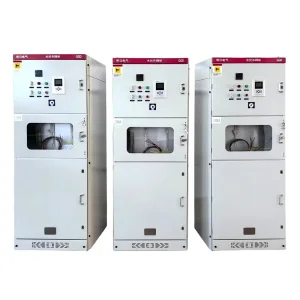
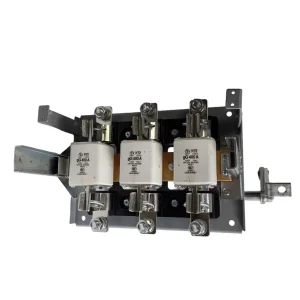
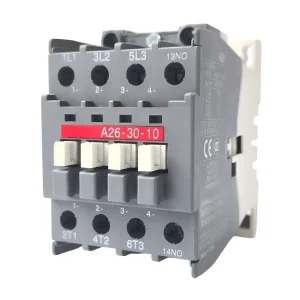
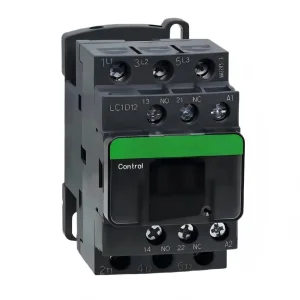
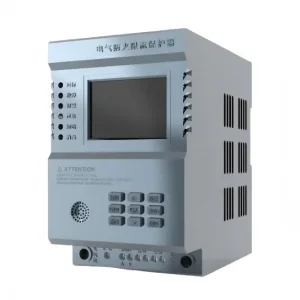
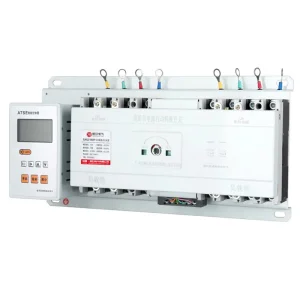
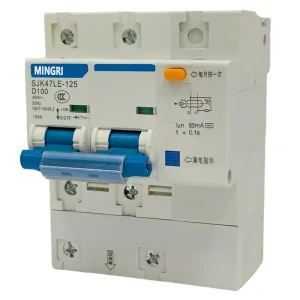
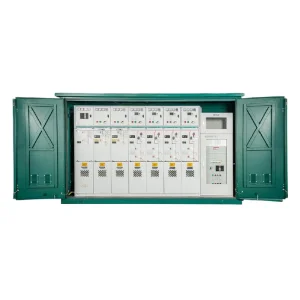
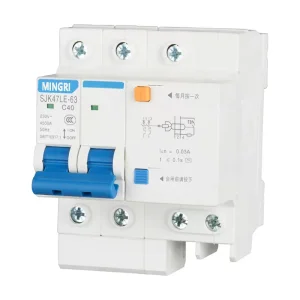
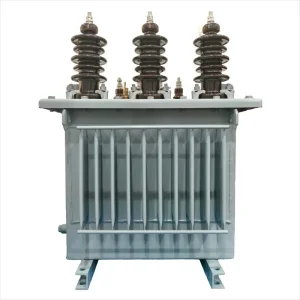
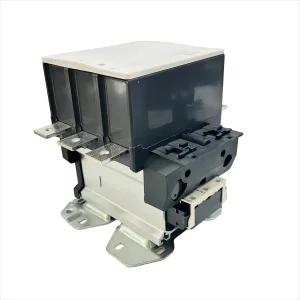
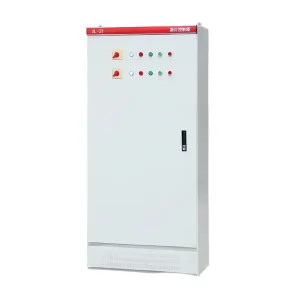
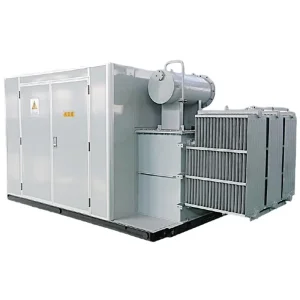
Explore our core manufacturing capabilities, featuring heavy-duty circuit protection and dynamic current management devices engineered to IEC standards.
At Mingri Electric Co.,Ltd., our trajectory is rooted in a fundamental directive established by our founder, Mr. Fu: "To safeguard every circuit." This statement is more than an operational goal; it serves as our core design philosophy. Power switching and electrical safety are paramount in modern, highly connected systems. A failure in changeover switch operations can lead to catastrophic system shutdowns, equipment degradation, or life-safety hazards.
We approach our manufacturing processes with a commitment to reliability. By refusing to source generic components from unverified suppliers, we maintain end-to-end control of our raw materials and sub-assemblies. From precise stamping dies to modular arc-quenching chambers, our electrical safety products are built to withstand severe operations and unexpected system faults.
"Voltage is the starting point. Value is the destination. We are the catalyst in between."
- Mingri Electric Leadership
Analyzing current global demand patterns, electrification mandates, and the shift to decentralized power generation.
The global electrical market is experiencing a significant shift in power distribution dynamics. The 63 Amp single phase changeover switch sits at a critical threshold in low-voltage distribution design. Standard residential and light commercial loads require robust, fail-safe transfer mechanisms to transition between primary utility grids and auxiliary power sources like generators, photovoltaic systems, and battery storage. In terms of capacity, 63 Amps at a nominal voltage of 220V–240V supports continuous loads of up to 13.8 kW, which is the standard envelope for modern homes, remote telecommunication hubs, and critical commercial nodes.
As decentralized generation gains momentum globally, power grids are transforming from linear lines to dynamic networks. In regions characterized by grid volatility or high utility tariffs, changeover switches are necessary integration points rather than optional accessories. OEMs and professional procurement managers prioritize sourcing switches that provide reliable performance, high short-circuit withstand capabilities, and compact modular profiles suitable for standard DIN-rail configurations.
The global push for rooftop solar and local energy storage requires reliable transfer switches to safely isolate local networks from main grids during utility interruptions.
63A switches deployed in industrial auxiliary circuits must withstand repeated load-switching cycles without contact welding or mechanical fatigue.
Ensures zero cross-connection between grid lines and emergency backup generators, protecting utility maintenance crews and preventing equipment damage.
Improvement in transformer efficiency powers thousands of homes annually.
Reduction in operational maintenance costs through predictive engineering.
Space-saving modular profiles compared to legacy changeover switches.
Technological shifts, materials science innovations, and strict safety compliances shaping the industry.
The evolution of single-phase switching mechanisms is defined by two key factors: safety compliance and material science. Modern 63 Amp changeover switches are shifting away from traditional manual rotary architectures toward specialized linear slide mechanisms and integrated automatic transfer systems (ATS). The core industry trends shaping this product line include:
Furthermore, the integration of status visualization (positive break indication visible on the front panel) has become standard practice. This mechanical linkage guarantees that the indicated position directly reflects the true position of the internal contacts, enhancing safety during manual maintenance.
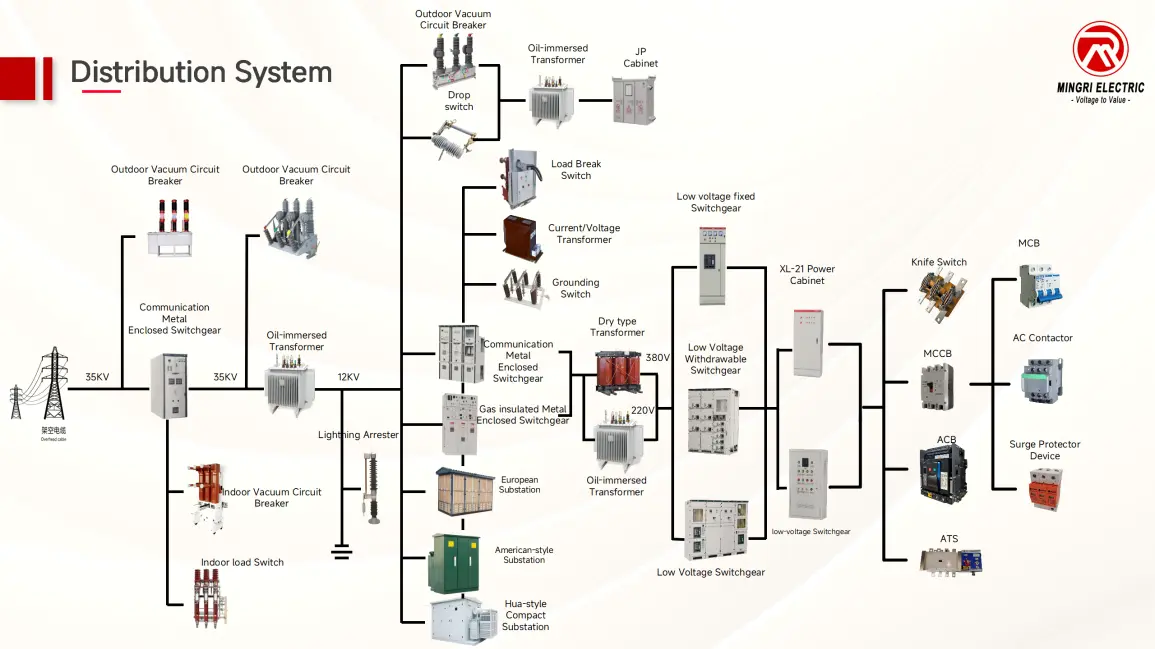
Quality control cannot be achieved by final testing alone; it must be built into the production process from the start. At Mingri Electric, we partner with specialized precision stamping suppliers to co-develop custom molds and high-performance metal components. This approach ensures that every copper busbar, terminal connector, and contact leaf conforms to tight dimensional tolerances.
Because we control the production of our own circuit breakers, we ensure seamless compatibility when they are integrated into our broader low-voltage distribution systems and cabinets. This vertical integration reduces tolerances, prevents galvanic corrosion at joint interfaces, and ensures consistent contact pressure under heavy load cycles.
From remote telecommunications sites to urban EV infrastructure: how the 63A Switch ensures continuous operations.
Industrial transceivers in remote areas require continuous power. The 63A changeover switch enables automatic transitions from grid power to auxiliary diesel generators or battery banks, minimizing network downtime.
With high-power EV chargers (often pulling 32A to 48A on a single phase), changeover switches protect residential circuits by routing charging loads dynamically or shifting back to local solar storage during peak periods.
Remote irrigation pump houses use 63A switchgear to transition from solar power to local grids, ensuring continuous water management regardless of weather conditions.
In tropical regions with high ambient humidity and temperature, switches face challenges related to condensation and thermal de-rating. Procurement engineers must specify tropicalized designs with anti-corrosion contact coatings and high insulation ratings (Ui 690V, Uimp 8kV) to prevent tracking paths and dielectric breakdowns under harsh environmental conditions.
The technological trajectory of low-voltage transfer switches toward smart grids and IoT integration.
Integration of low-power microcontrollers and current sensors to measure power factor, voltage sag, and contact temperature, communicating data via Modbus or Zigbee protocols.
Development of static solid-state transfer mechanisms mixed with mechanical contacts to achieve zero-arc operations during transitions under full-load currents.
Using vibration sensors and thermal monitoring to notify maintenance teams of contact wear before a system failure occurs, reducing downtime.
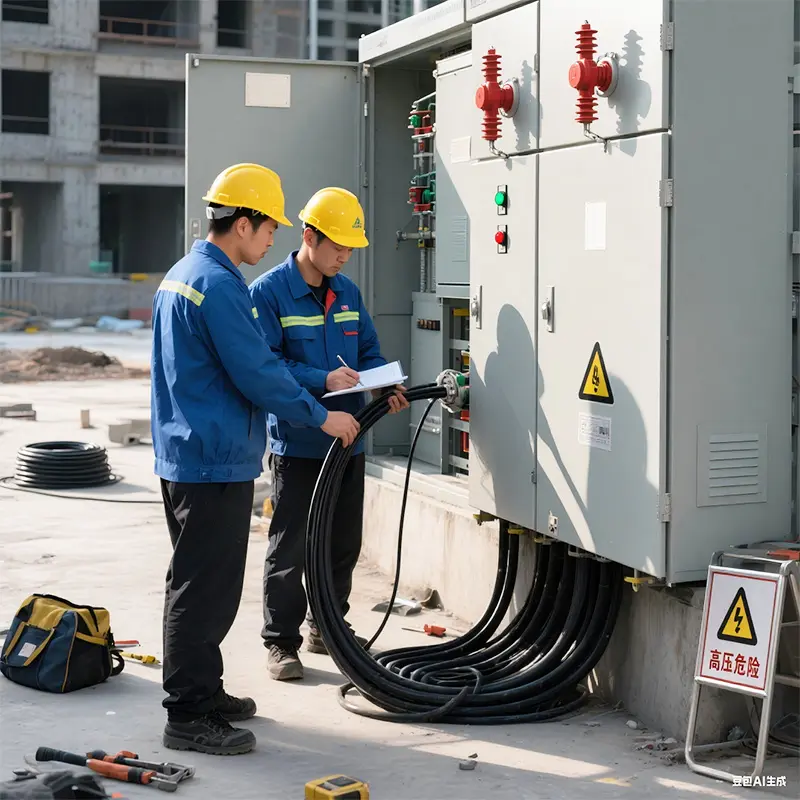
Real-world applications of our distribution equipment, low-voltage control panels, and medium-voltage switchgear.






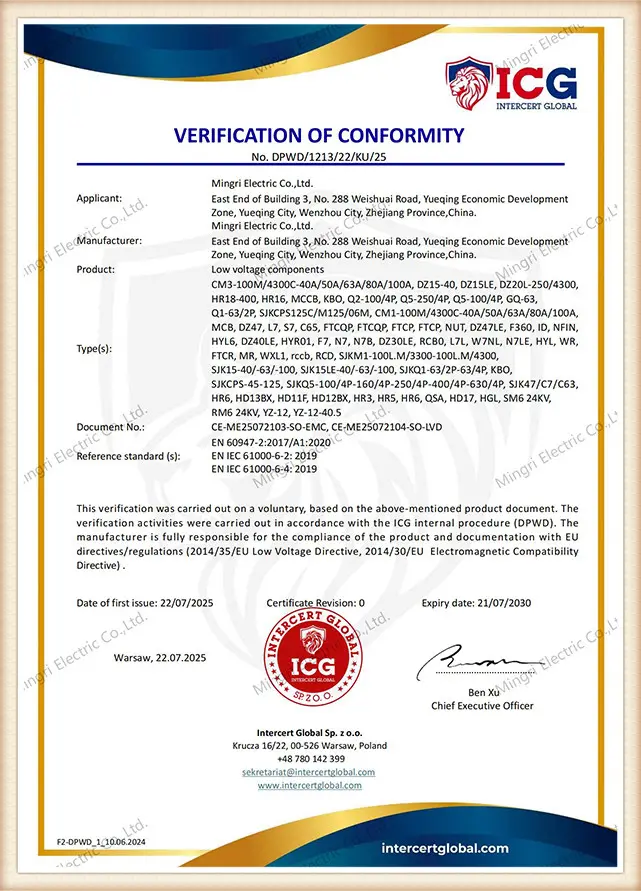
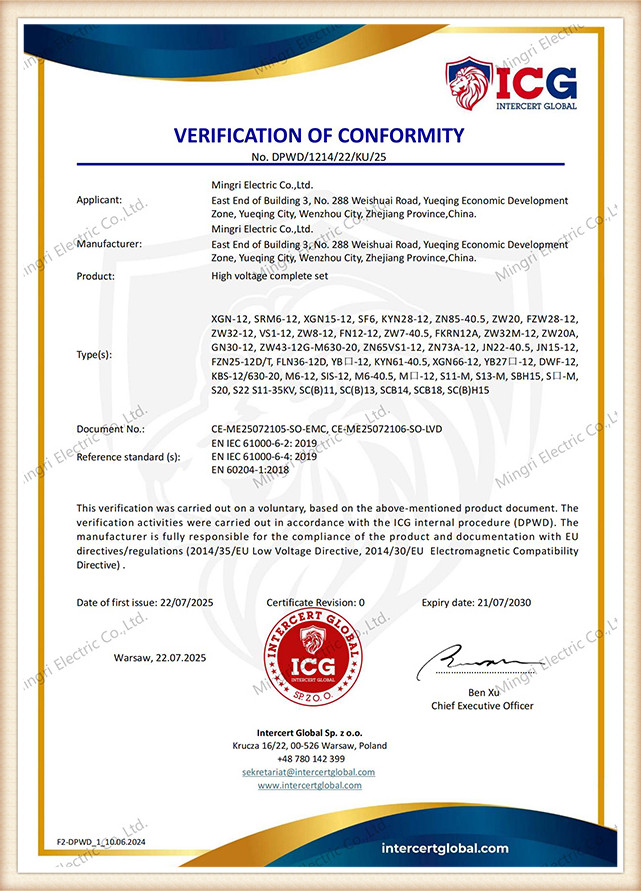
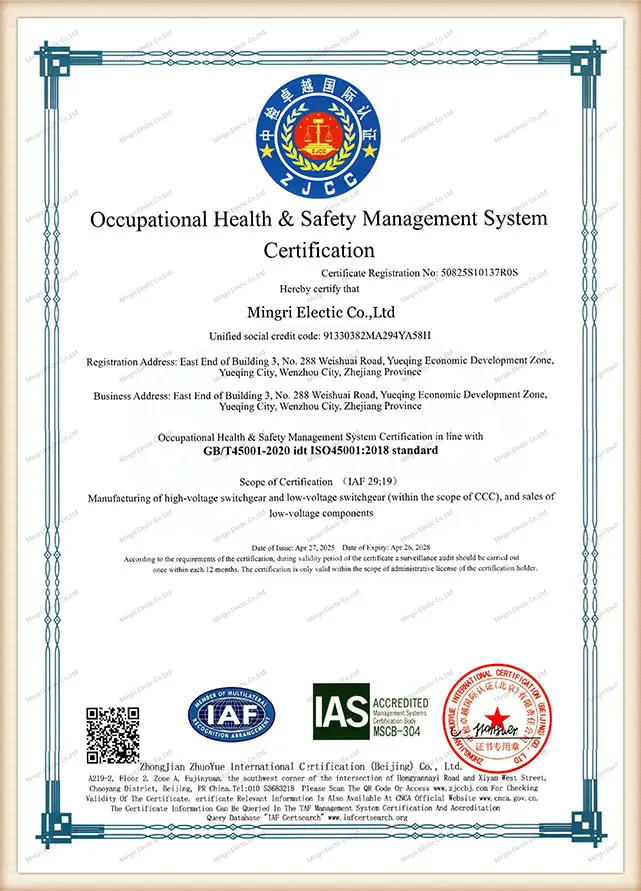
Verified manufacturing standards ensuring seamless entry into globally regulated power markets.
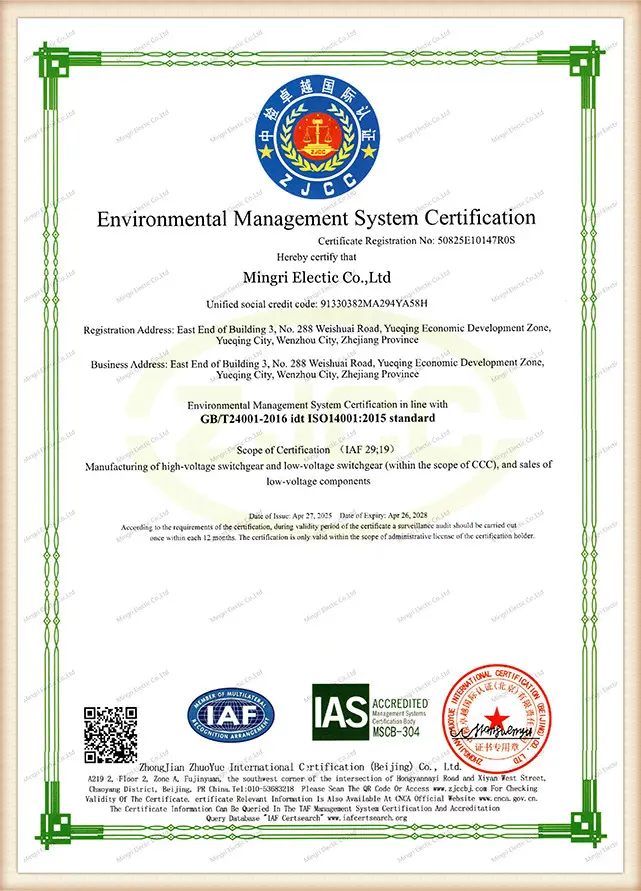
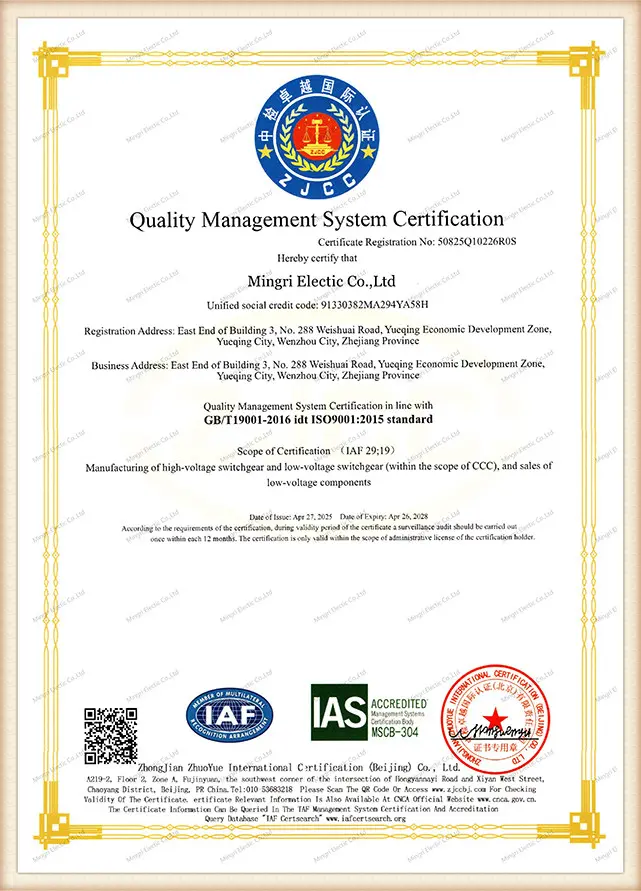
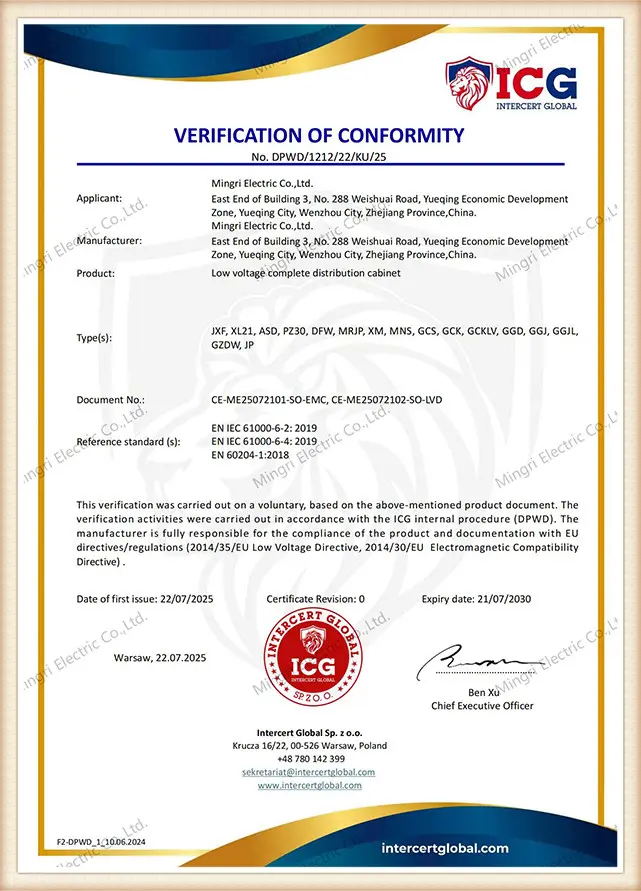
Answering the most critical procurement and engineering questions regarding 63A changeover switch design and sourcing.
Complete your high-power setup with our range of compact substations, distribution cabinets, and heavy-duty automatic switches.
 Mingri Electric