As modern distribution networks undergo transition toward high-density renewable energy Integration, EV fast charging structures, and automated factory floor arrays, standard circuit protection schemes are no longer adequate. Residual Current Devices (RCDs) and current-operated Earth Leakage Circuit Breakers (ELCBs) serve as a defense mechanism against catastrophic fire hazards, equipment downtime, and electrocution risks.
Globally, industrial facilities are moving away from traditional voltage-operated safety mechanisms to embrace current-operated residual current devices (RCCB/RCBO). This shifts the emphasis to exact fault current detection rather than relying on grounding loop impedance, which often deteriorates over time. Through advanced Zero Sequence Current Transformer (ZSCT) monitoring, current-based systems ensure microsecond-level fault isolation, protecting critical hardware from systemic breakdown.
Industrial Grid Uptime Achieved
Average Circuit Interruption Speed
Installation Footprint Reduction
These industrial stats underline the shift from reactive to proactive predictive grid isolation models across European and Asian automation centers.

At Mingri Electric Co., Ltd., our journey is rooted in a fundamental vision set forth by our founder, Mr. Fu: "To safeguard every circuit." This directive is not a corporate slogan; it is the cornerstone of our manufacturing strategy. We design and build electrical distribution components from the raw material stage up to intelligent assembly, ensuring safety is structurally integrated into every layout.
We do not merely assemble switchgear configurations. We forge strategic, deep-level partnerships with precision metal stamping suppliers, co-developing custom progressive molds and deploying high-conductivity copper alloy contact structures. By designing and manufacturing the core circuit breakers in-house, we guarantee zero compatibility gaps when they serve as the central safety elements of our high-voltage and low-voltage distribution frameworks.
Understanding the engineering shift from outdated voltage-sensing coils to magnetic zero-sequence current detection systems is vital for specifying modern electrical networks.
| Technical Characteristic | Voltage-Operated ELCB (Historical) | Current-Operated RCCB/RCBO (Modern Standards) | Industrial Advantage & Safety Benefit |
|---|---|---|---|
| Operating Principle | Monitors potential difference between metallic enclosure and separate earth electrode. | Measures vector sum of phase and neutral currents via Zero Sequence Current Transformer (ZSCT). | Eliminates reliance on ground wire integrity; detects leakage directly to earth. |
| Earth Loop Impedance | Requires low resistance ground path; high loop resistance prevents tripping. | Independent of earth loop resistance values; functions even with broken earth line. | Protects users even in poorly grounded or rural installation environments. |
| Common Mode Noise Immunity | Prone to false trips due to transient grid surges and lightning strikes. | Highly immune; filter circuits isolate transients from real differential leakage currents. | Guarantees continuous industrial uptime; eliminates cost-intensive nuisance tripping. |
| Smart Grid Integration | Analog mechanical setup; incompatible with automated remote signaling. | Modbus/RS485/LoRa communication interfaces provide real-time leakage diagnostics. | Supports predictive maintenance workflows, signaling aging cable insulation. |
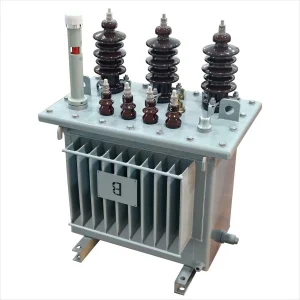
Improving utility-scale transformer efficiency by just 1% yields enough saved capacity to power thousands of residential units annually without increasing generation costs.
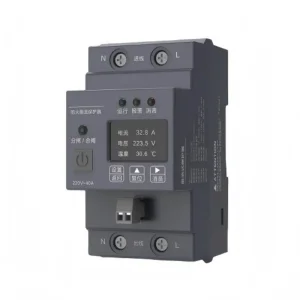
Incorporating IoT current sensors within our circuit breakers facilitates automated status updates, cutting troubleshooting visits and lowering operational expenses by 30%.
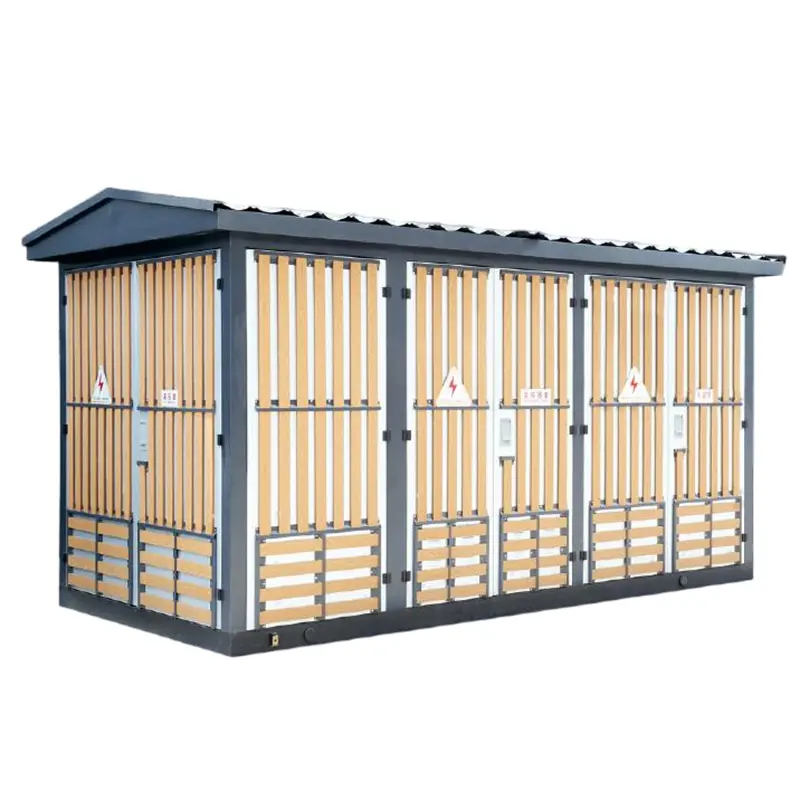
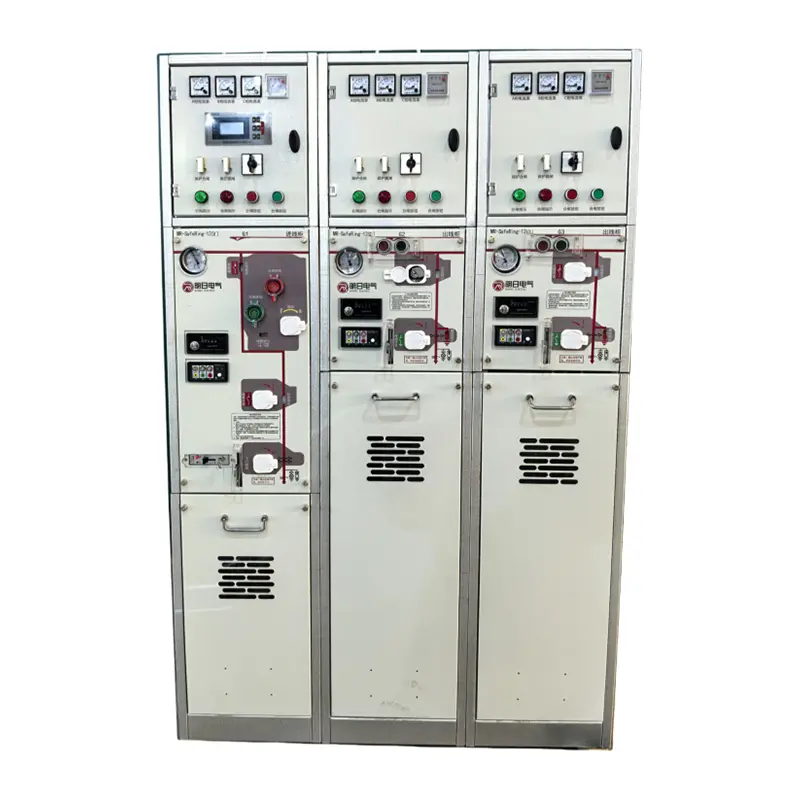
Our compact switchgear assemblies reduce enclosure sizes by up to 40% compared to conventional gas-insulated setups, maximizing valuable substation real estate.

Reliable power solutions ensuring zero interruption for retail and commercial complexes.

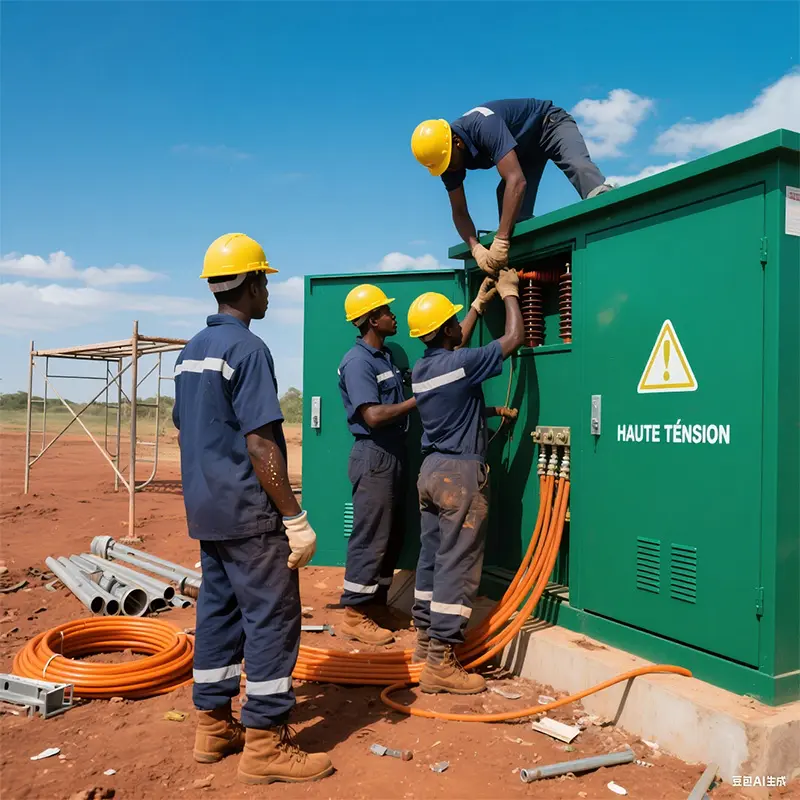
Advanced transient current isolation for heavy industrial manufacturing.

Specialized DC residual current mitigation in multi-megawatt solar arrays.
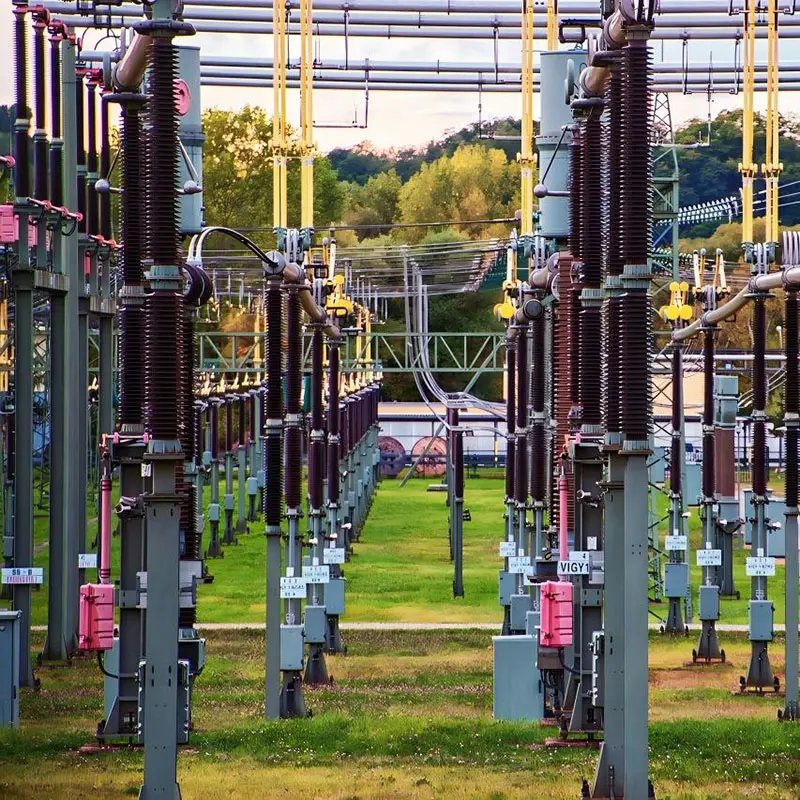
High-voltage protection devices guaranteeing plant auxiliary power grid stability.
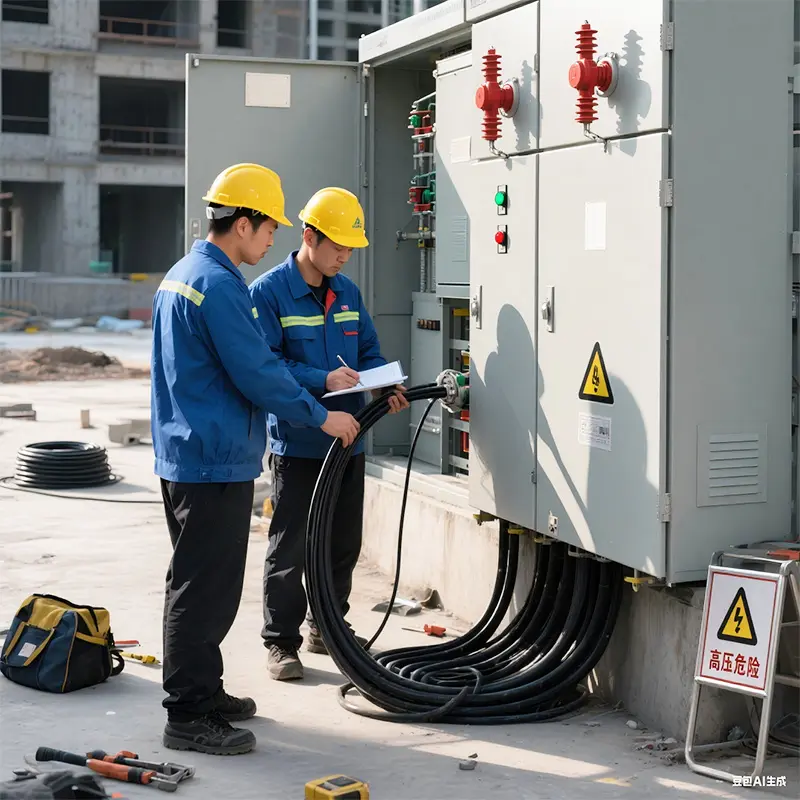
Ensuring life safety with intelligent household protection equipment.

Providing high vibration resistance and weatherized breakers for nacelle placement.
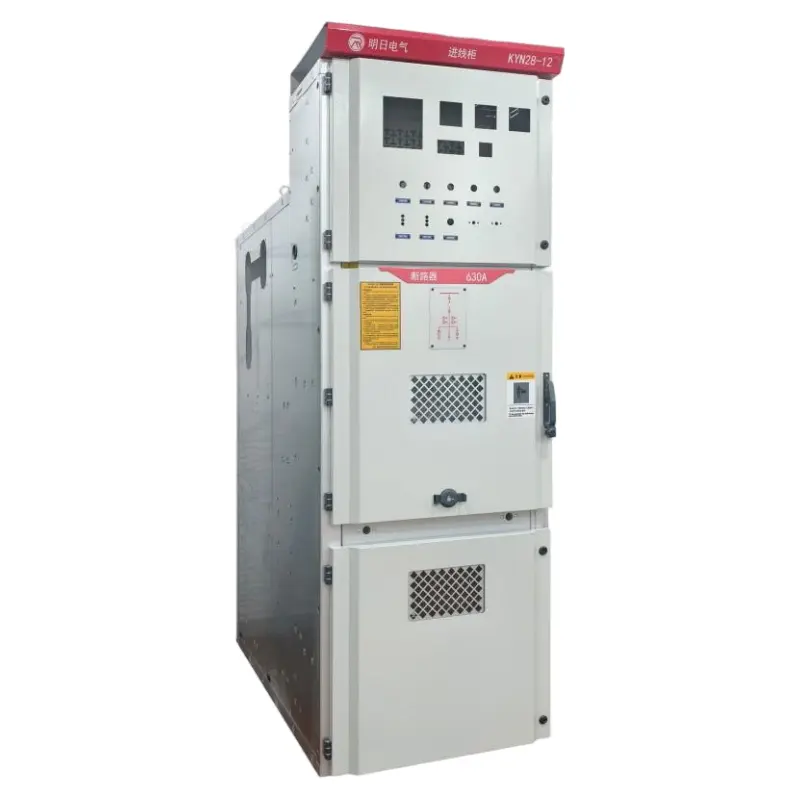
Modern electrical infrastructure requires earth leakage systems to evolve beyond passive electromagnetic tripping mechanisms. The future of low-voltage protection lies in digital wave-shape sensing, AI-driven diagnostics, and adaptive safety systems.
Standard Type AC and Type A RCDs are blind to smooth DC residual currents. As EV charging stations and grid-tied solar systems proliferate, Type B circuit breakers are essential, detecting pure DC leakages up to several kilohertz.
Our upcoming research line features integrated micro-processors that distinguish between operational harmonic leakage and true human touch hazards, virtually eliminating nuisance tripping.
Integrating Modbus and IoT modules allows ELCBs to transmit real-time telemetry on cable degradation directly to centralized supervisory control systems (SCADA).
The stakes are too high for substandard protection solutions. Whether safeguarding a data center with high requirements for uptime or syncing a solar field grid tie-in, our systems deliver consistent isolation capability.
Managing voltage is the baseline. Creating reliability is the priority. We provide the expertise in between.
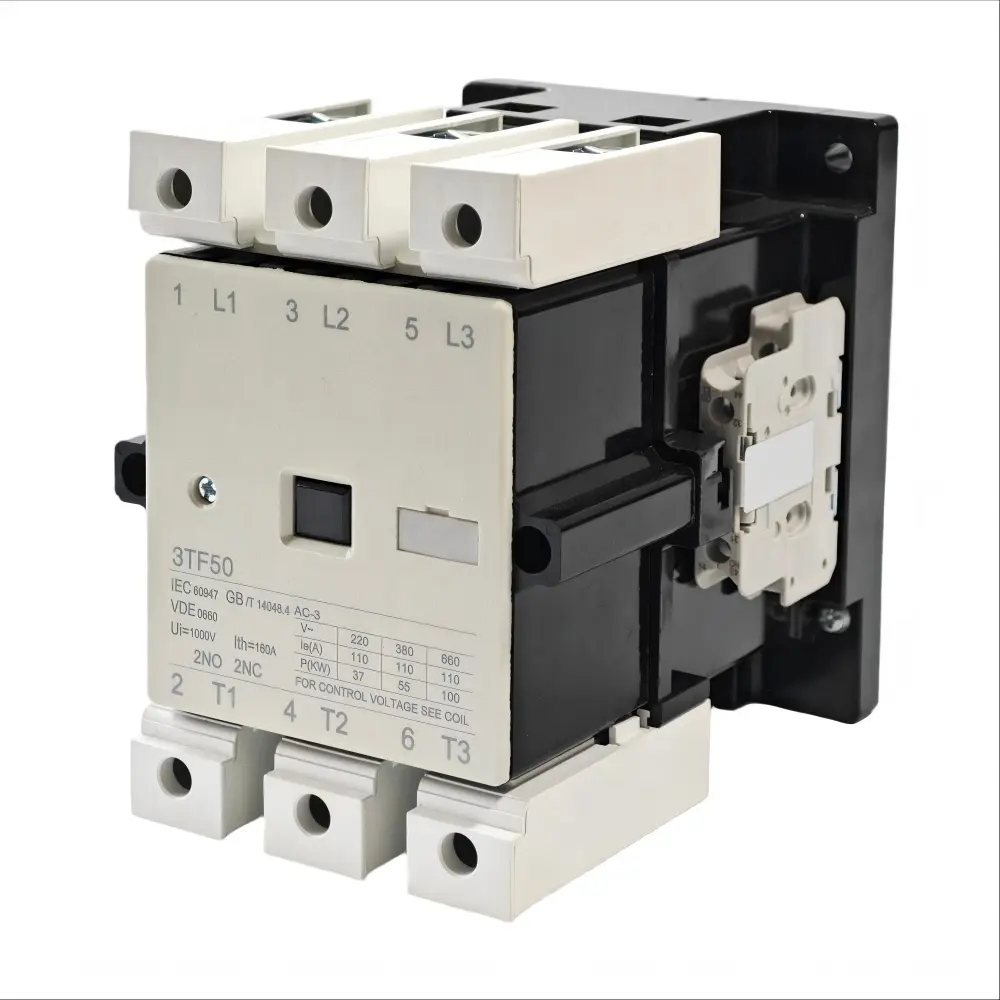
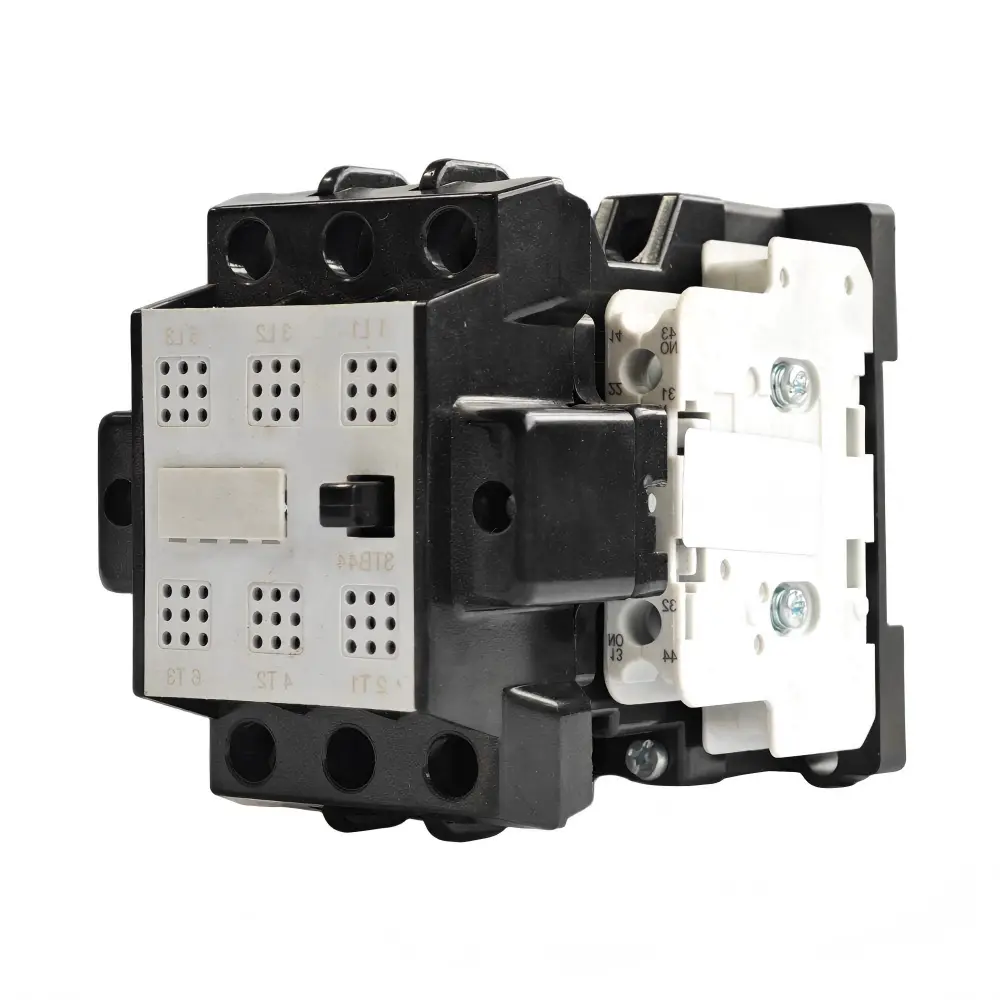
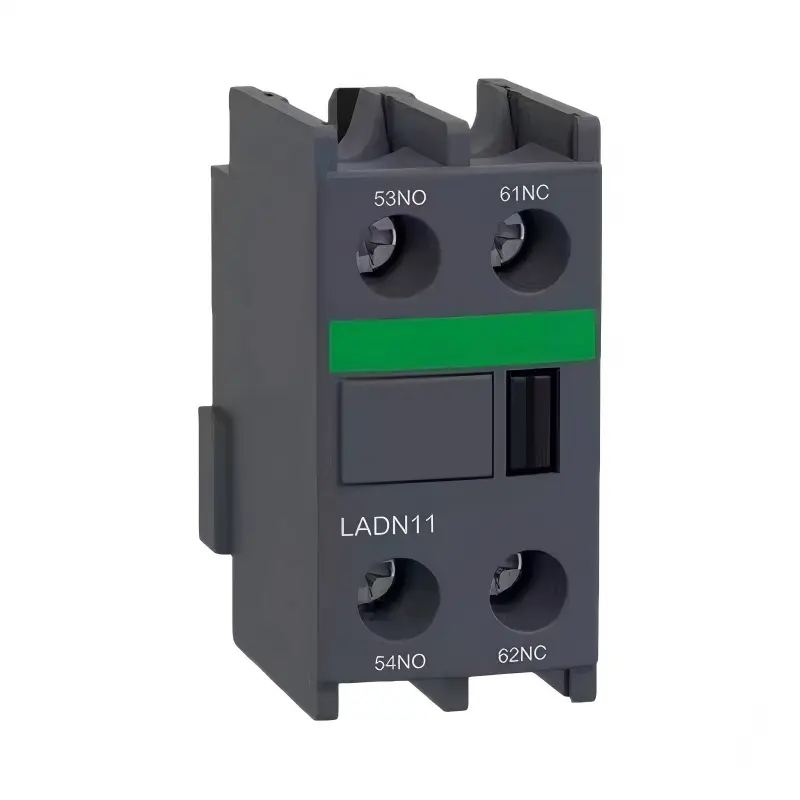
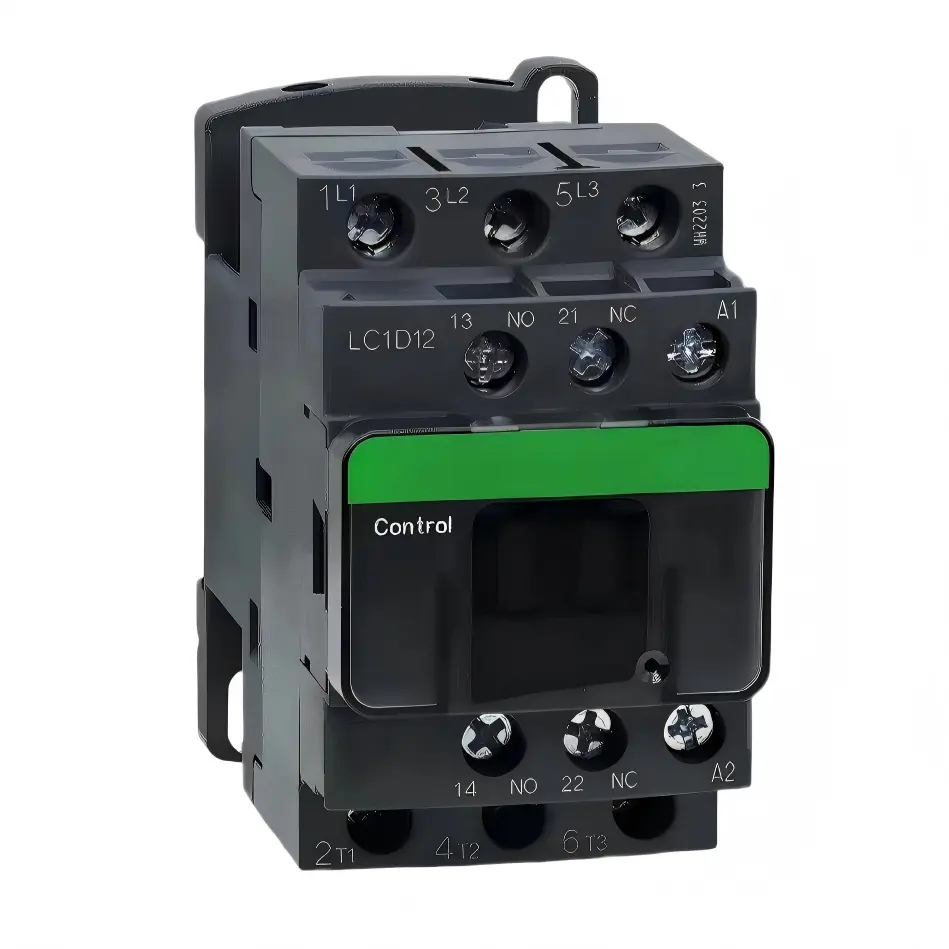
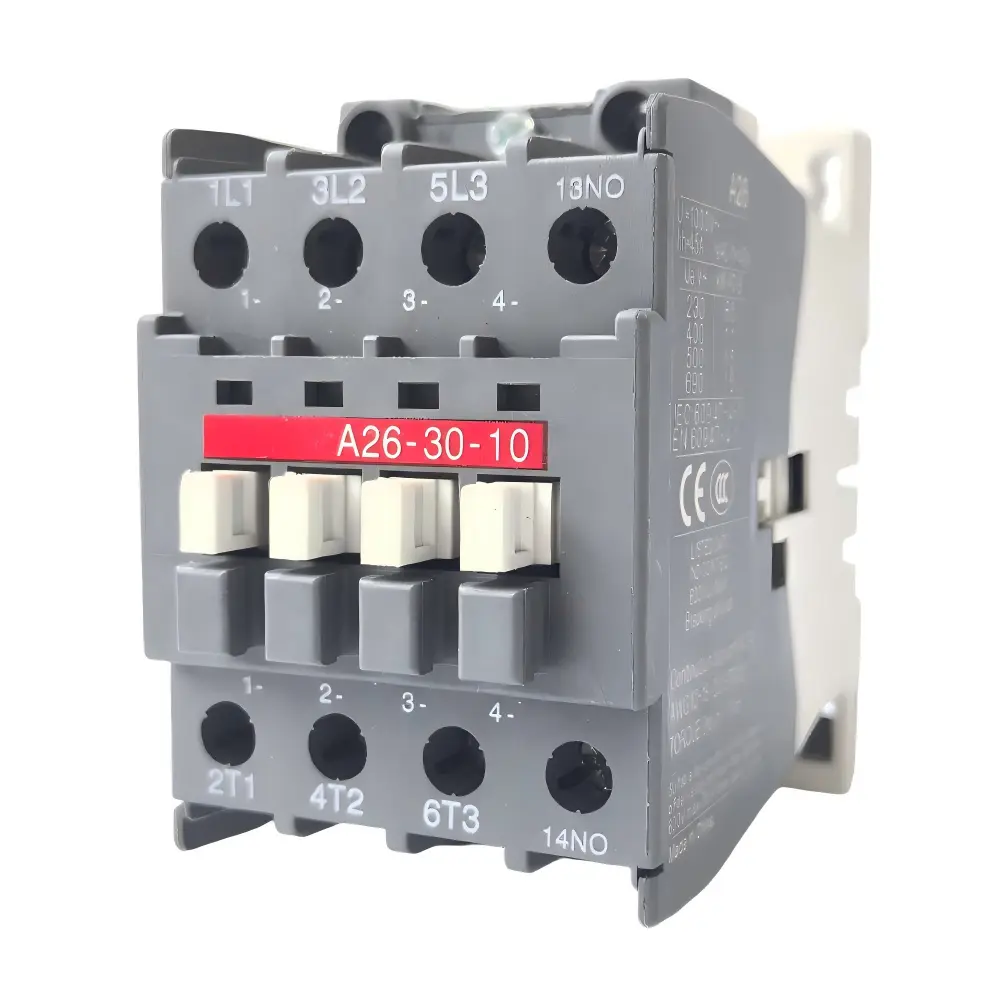
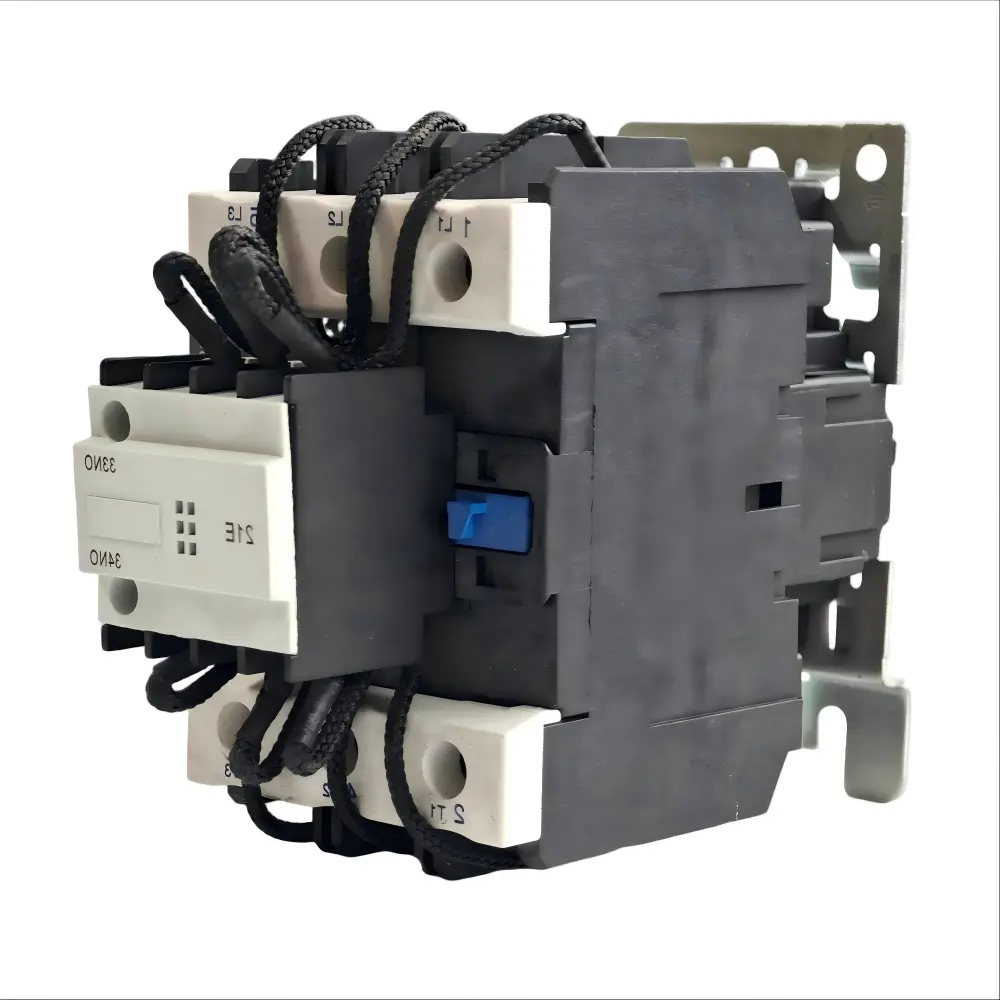
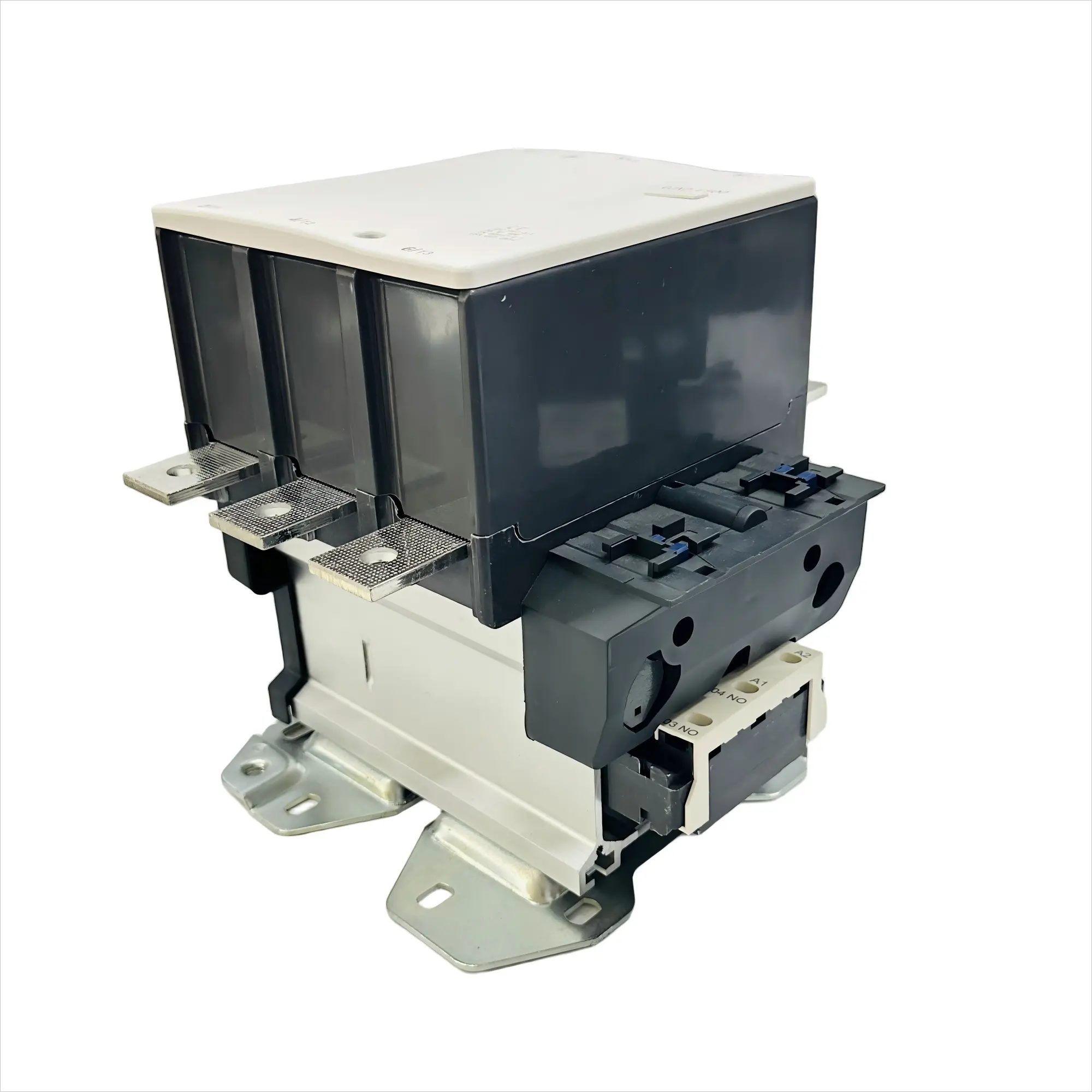
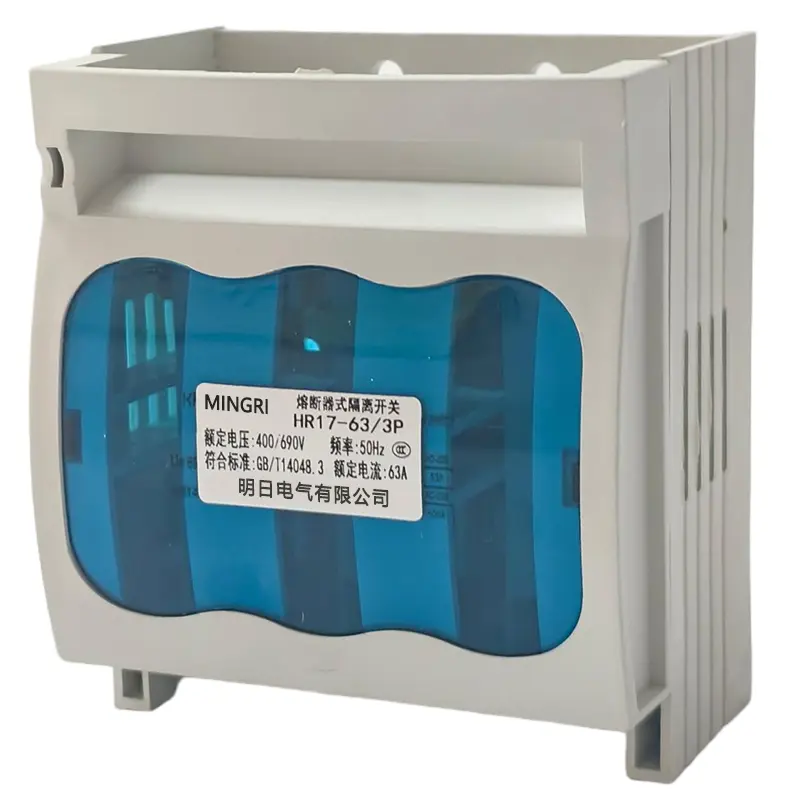
We believe electrical protection components should operate reliably without failure. To meet high safety standards, our quality control framework spans the entire production line. Every batch of copper contacts, iron cores, and sensing relays undergoes testing before entering the assembly floor.
Strict Control from the Source: We work directly with raw material suppliers, applying inbound inspections to verify conductivity, magnetic permeability, and mechanical longevity.
Continuous Testing Standards: Our electrical QA team undergoes training to apply modern inspection standards, helping ensure our breakers perform reliably when deployed.
End-to-End Delivery Verification: From mechanical cycle endurance tests to current injection diagnostics, we verify that each device meets factory specifications.
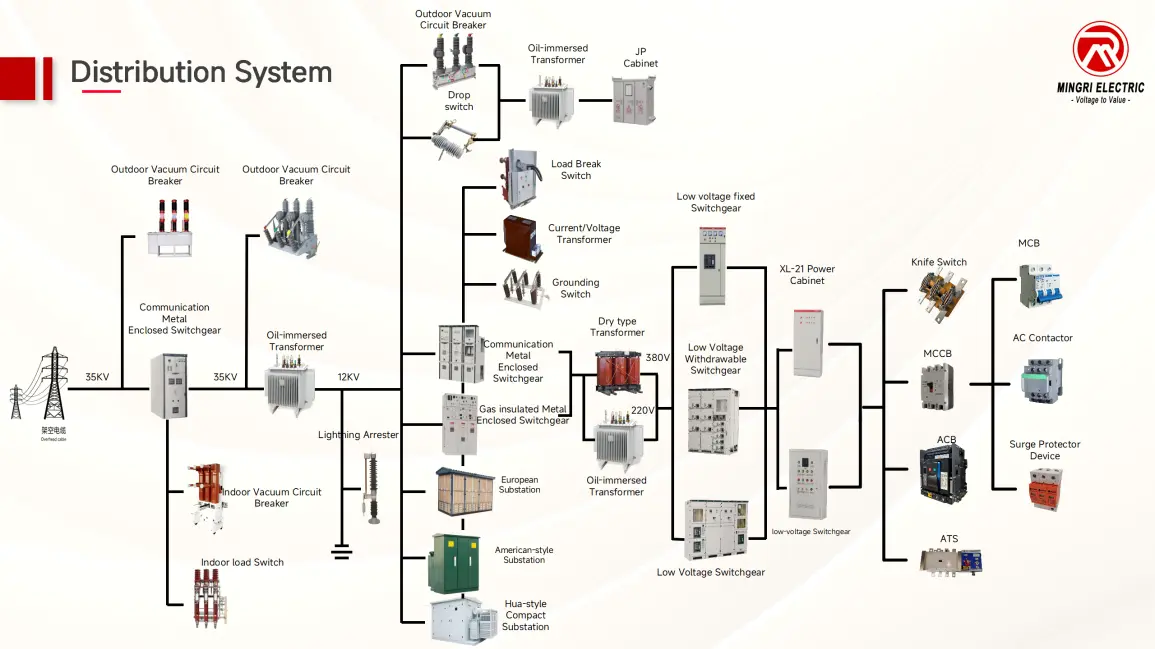

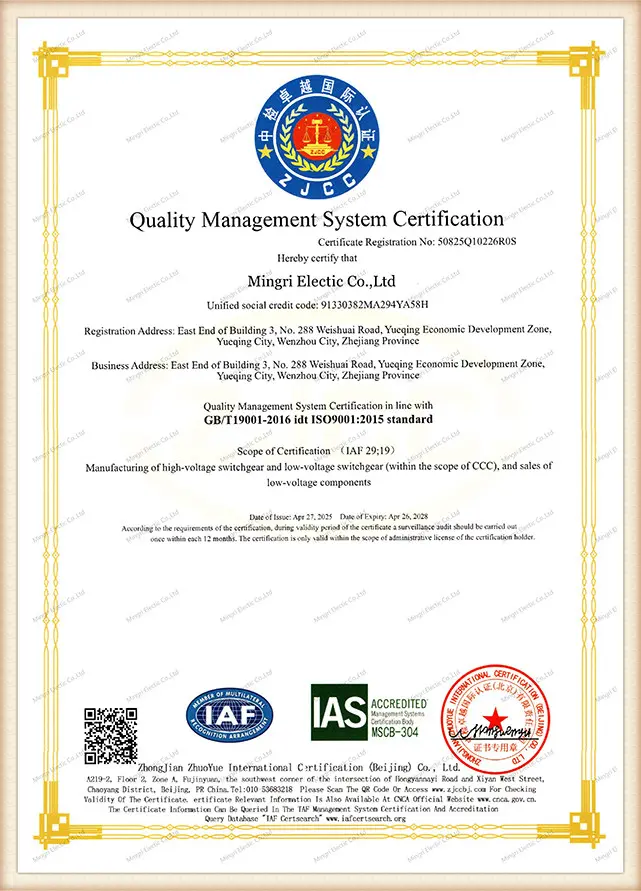



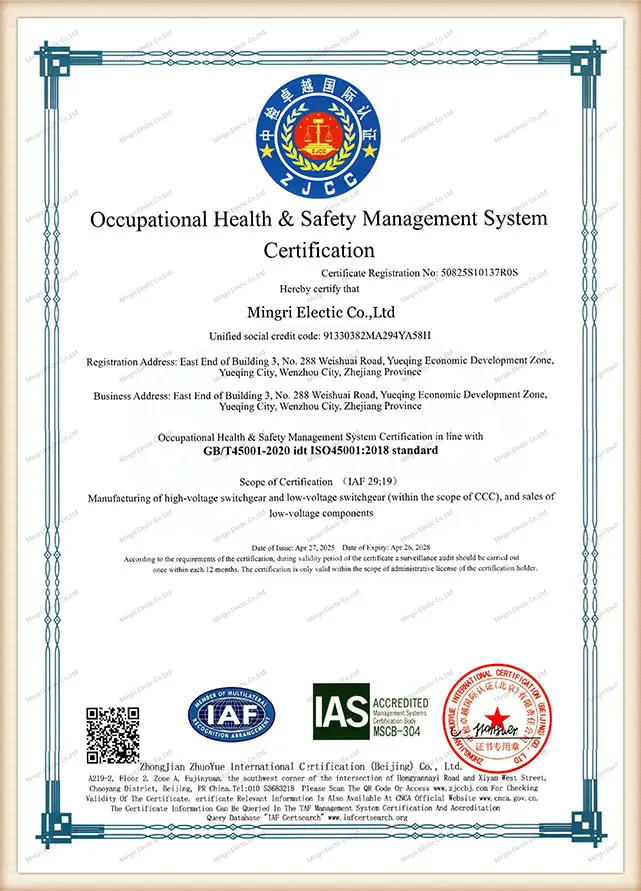
With installations across multiple continents, our current leakage protection devices help safeguard critical infrastructure, commercial facilities, and utility systems worldwide.

Managing voltage is the baseline. Creating reliability is the priority. We provide the expertise in between.
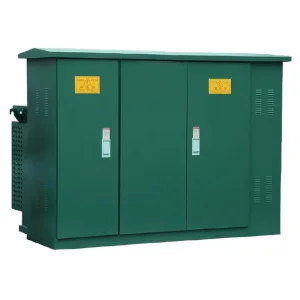
 Mingri Electric