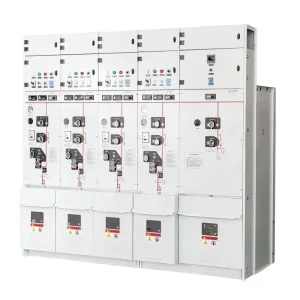
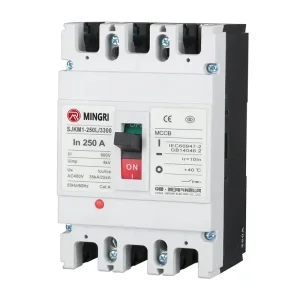
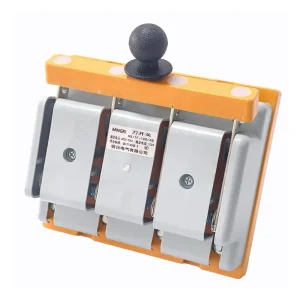
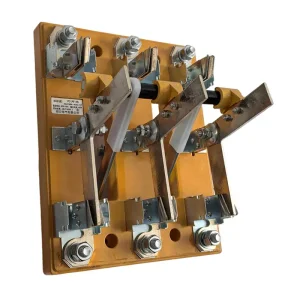
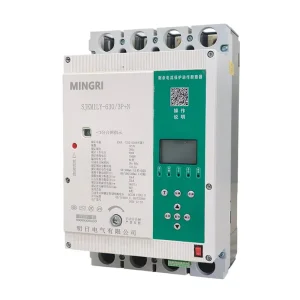
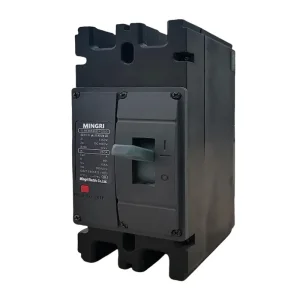
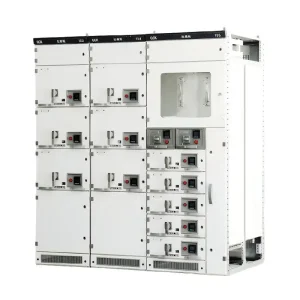
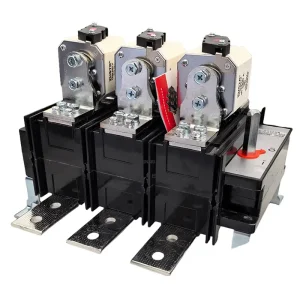
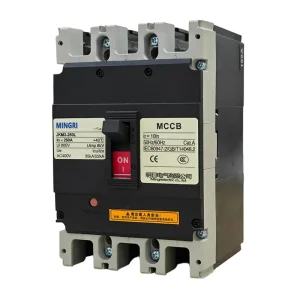
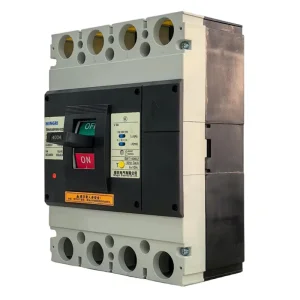
Explore our premium selection of low and medium-voltage electrical components engineered for critical applications.
At Mingri Electric Co., Ltd., our history begins with a simple yet profound vision held by our founder, Mr. Fu: "To safeguard every circuit." This commitment to electrical safety and reliability has driven us to rethink how power distribution should be engineered—from the ground up.
In the modern electrical ecosystem, hooking up a generator transfer switch is not merely about routing current during outages; it is a critical process that ensures uninterrupted productivity, stabilizes decentralized power structures, and protects high-capital assets from electrical volatility. As a leading OEM and ODM manufacturer, our systems convert basic line potential into lasting economic value.
Quality isn't an afterthought; it is built into every micro-component of our transferring architectures.
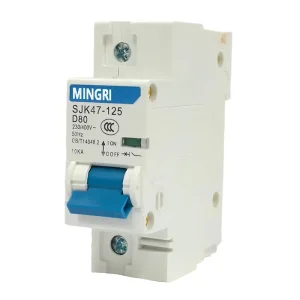
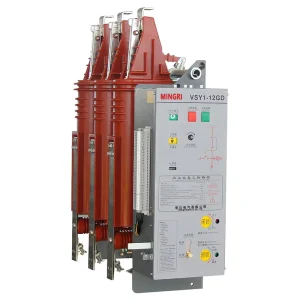
We work hand-in-hand with precision stamping suppliers to co-develop custom molds and high-performance metal components. These aren't generic off-the-shelf parts; they're engineered to our exacting standards, ensuring flawless integration into our low- and high-voltage circuit breakers.
Because we control the design and production of our own circuit breakers, we guarantee seamless compatibility when they become the core switching mechanisms of our generator transfer systems. This vertical integration guarantees total accountability.
Our transfer systems feature modular electrical interlocks and rapid arc quenching modules, allowing the switch to safely toggle load connections between backup generator sources and municipal utility grids.
How our smart power grid integrations and optimized transfer switch engineering translate to global operational gains.
Improvement in transformer and contact switch efficiency can power thousands of homes annually.
Reduction in operational costs via predictive maintenance algorithms and thermal monitoring sensors.
Footprint space savings achieved in facilities using our compact modular switchgear designs.
Technical whitepaper insight on the evolution of power routing, global compliance, and decentralized microgrids.
The global transfer switch industry is undergoing a digital revolution. Legacy manual transfer switches are rapidly giving way to automatic, microprocessor-controlled transfer configurations. Modern generator hookup requirements demand sub-cycle switching times (less than 16ms) to prevent data loss in servers and operational disruption in automated assembly lines. Our research concentrates on zero-crossing switching technologies to minimize arc generation and extend contact life cycle values.
Industrial clients now mandate high capacity, multiple pole configurations, and IoT connectivity. Procurement teams look for factories with integrated OEM/ODM design capability that can deliver customized terminal arrangements, integrated bypass isolation, and custom enclosure ratings (NEMA 3R/4X/12). Modern buyers prioritize vendors who can supply complete circuit validation reports along with physical units.
National electric codes (such as NEC Article 702 and UL 1008 standards) govern the installation of backup power transfer systems. Hooking up a generator transfer switch must prevent dangerous backfeeding into the utility grid to ensure the safety of line workers. Our products incorporate mechanically interlocked switching paths, ensuring that both power paths are never connected simultaneously.
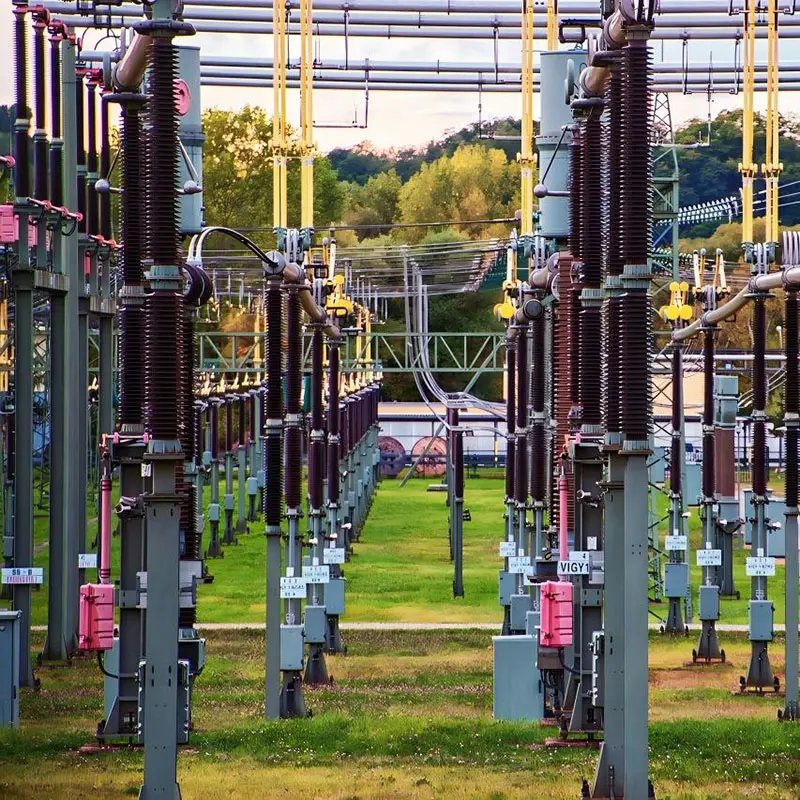
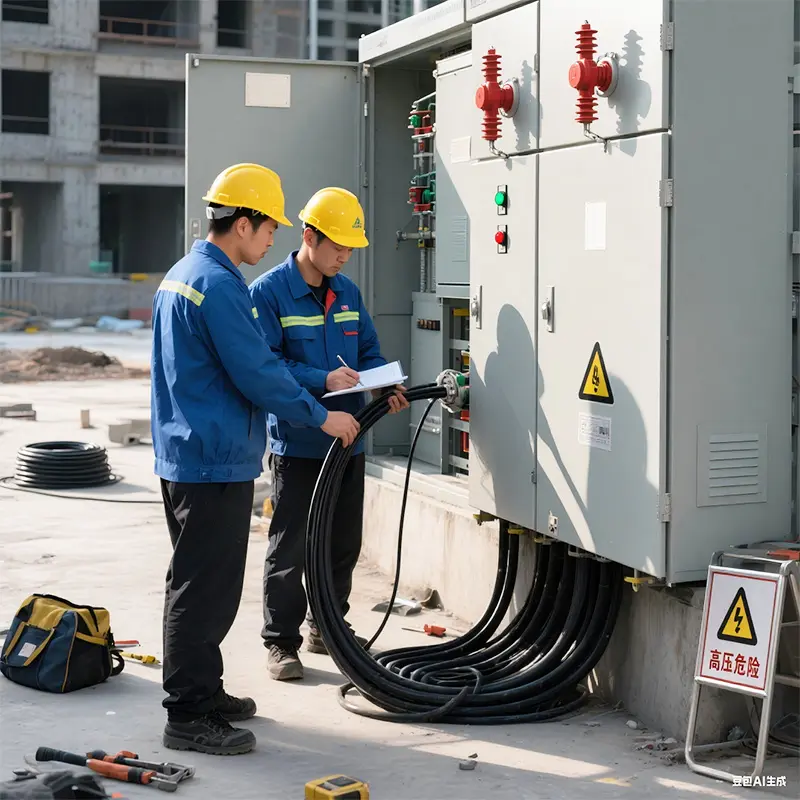
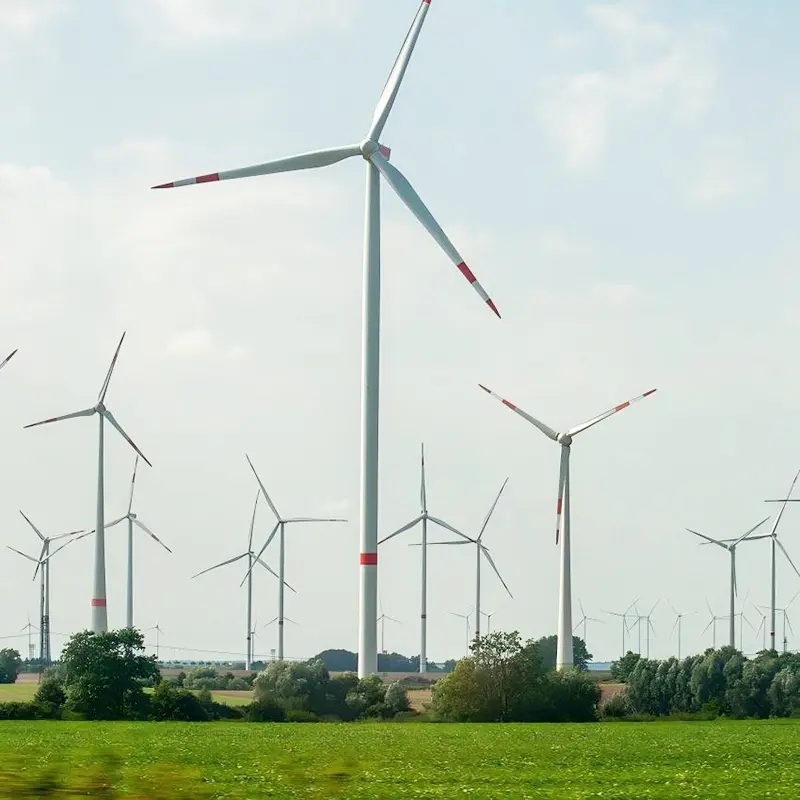
Mingri Electric solutions deployed across heavy industries, municipal facilities, and renewable energy sites.

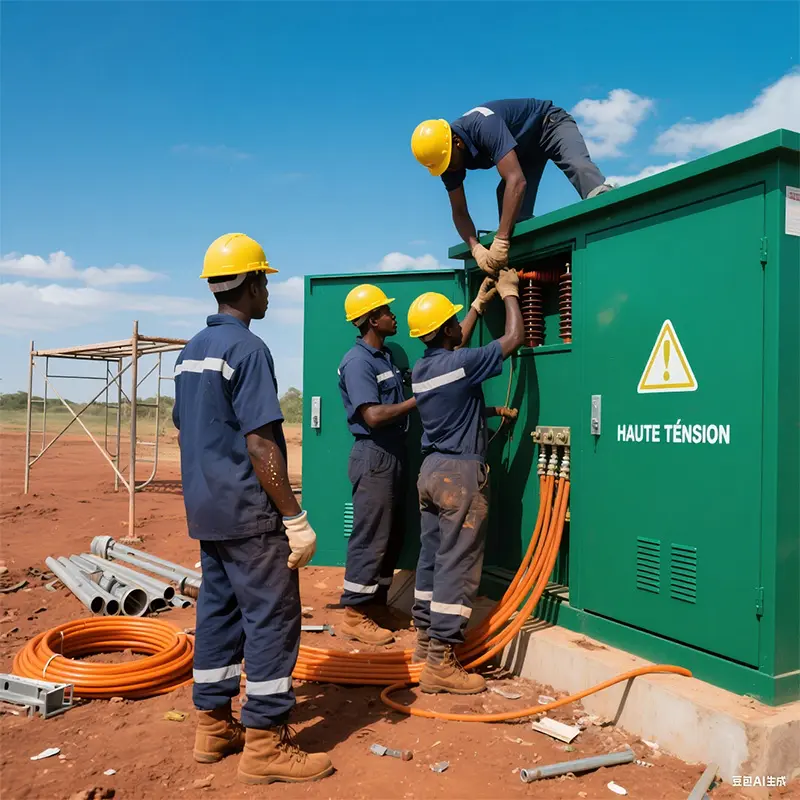

How we are designing next-generation power path components for future grid resiliency.
By keeping all production phases under one roof—from mold design to circuit board programming—we ensure zero-defect outcomes and seamless interoperability between control circuits and physical contact points.
Deploying smart relays, telemetry modules, and Modbus/Ethernet protocols to allow automated controllers to monitor load currents and balance source feeds dynamically in response to utility shifts.
We build our switches with high-recycle-value copper alloys and durable polycarbonate frames, ensuring the physical transfer switch remains operational over tens of thousands of cycles.
Expert insights addressing installation topology, circuit safety, and custom OEM manufacturing.
A 3-pole transfer switch does not switch the neutral line, keeping the generator neutral connected directly to the service panel neutral. This is typical for systems where the generator is wired as a non-separately derived system. A 4-pole switch physically switches the neutral line alongside the hot conductors, isolating the generator system neutral completely. This is required if the generator has a bonded neutral-to-ground connection.
We use a positive mechanical interlock device built into the core frame of the switches. This physically blocks the generator connection contacts from closing if the utility line contacts are closed, preventing potential backfeeding, which could otherwise energize local power lines and endanger utility workers.
Yes. We offer complete custom OEM services for our transfer switches. Depending on your project requirements, we can provide custom metal enclosures matching NEMA 3R (weatherproof), NEMA 4X (corrosion resistant stainless steel), or IP66 classifications, alongside custom busbar arrangements and control wiring interfaces.
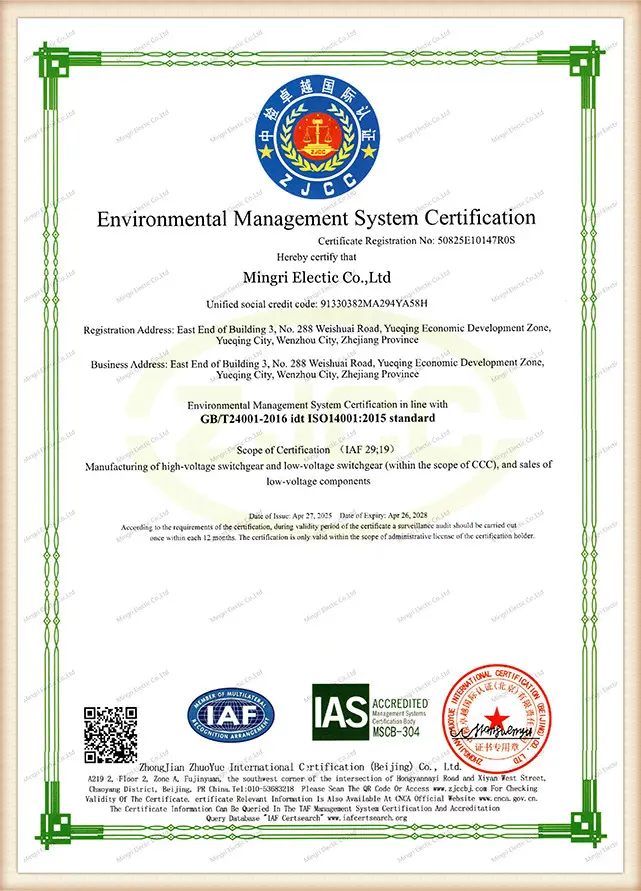
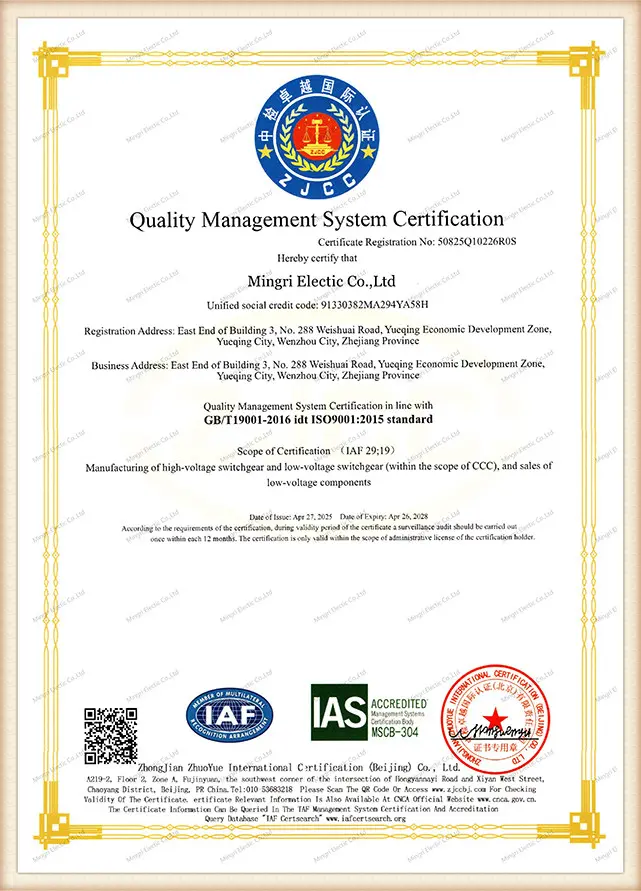
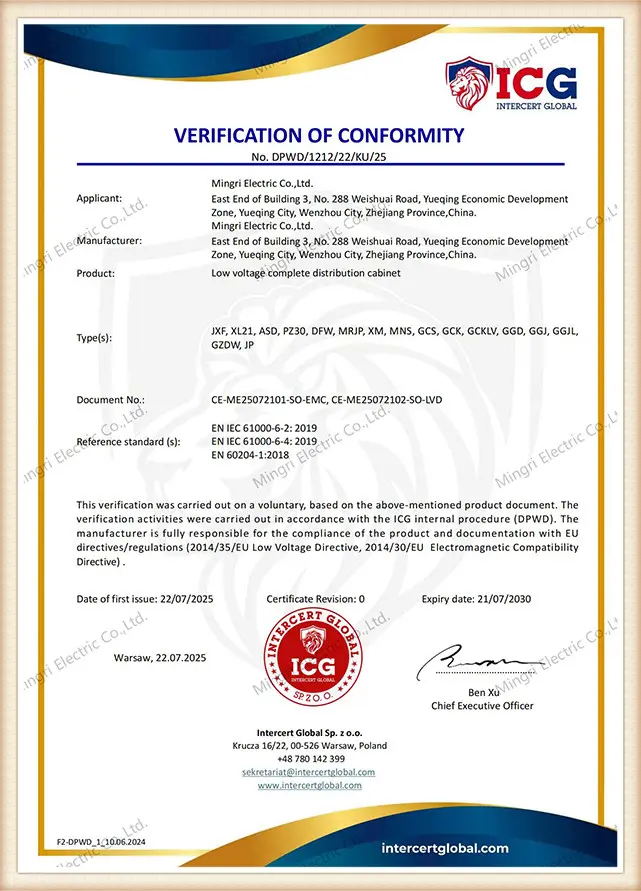
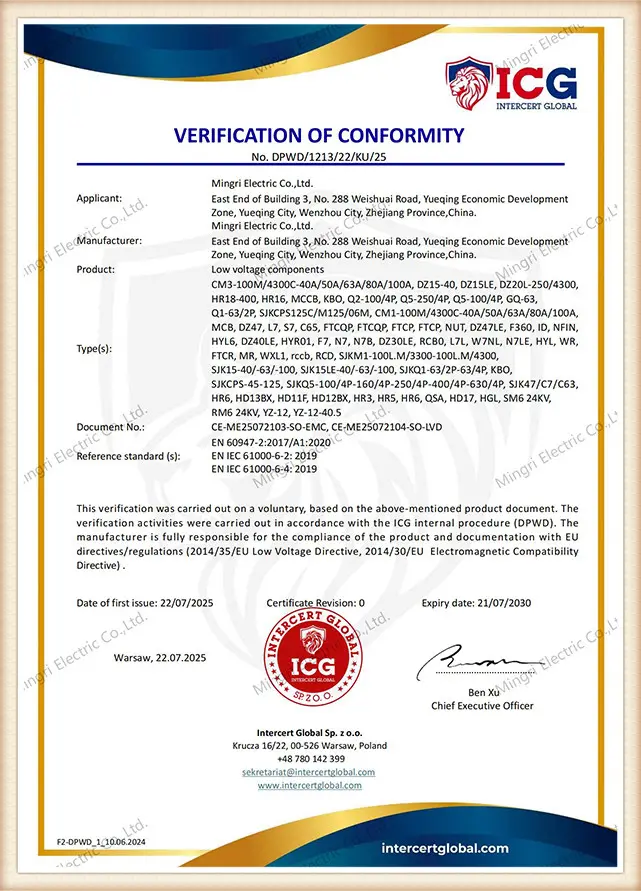
Our products are engineered in compliance with international quality standards. We hold CE, CCC, ISO9001 certifications, and design our components to align closely with UL 1008 and IEC 60947-6-1 requirements, ensuring global market eligibility and safety compliance.
Rigorous testing, compliance checking, and standard certificates validating our electrical excellence.
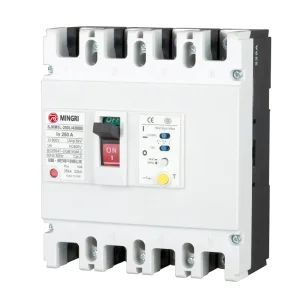
Configure your utility grid protection circuit with our high-grade molded case breakers and isolation components.
 Mingri Electric